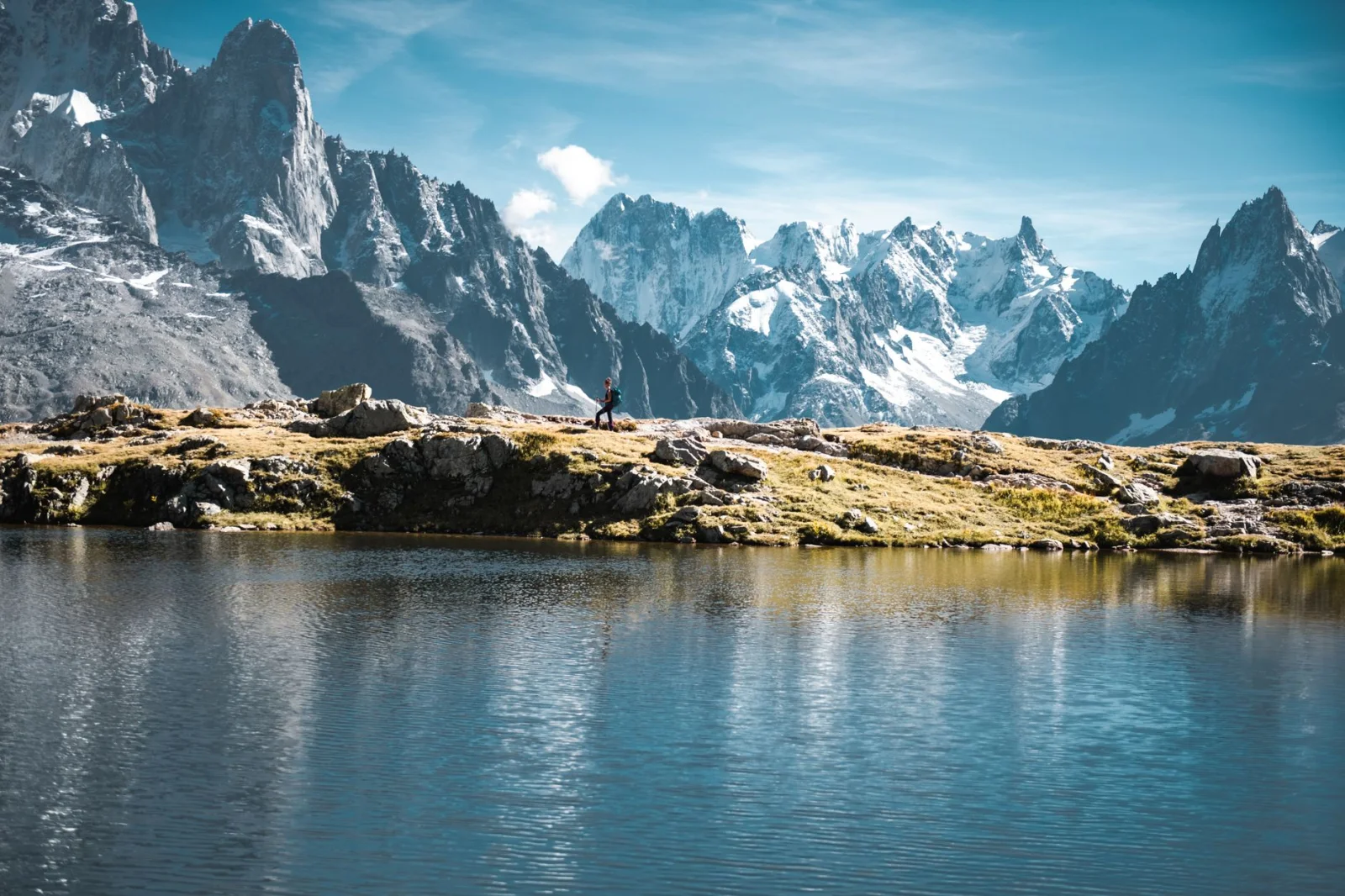
Ten bases where hiking is part of the town plan - from car-free Alpine villages to a Norwegian railway stop beneath a ridge.
The best mountain towns do not make hikers negotiate a car park before breakfast. The path begins beside the bakery, behind the railway station or at the end of a village street.
That does not mean every great hike literally starts in the town square. Some require a local bus, mountain railway or cable car. What matters is that the town functions as a real hiking base: several days of varied routes, useful transport, food after the walk and a reasonable backup plan when the mountains disappear into cloud.
The ten places below range from famous Alpine names to smaller bases in the Pyrenees, Tatras, Pirin Mountains and Norwegian fjords. They are not ranked. Each solves a different version of the same travel problem: how to spend less time reaching the trail and more time walking it.
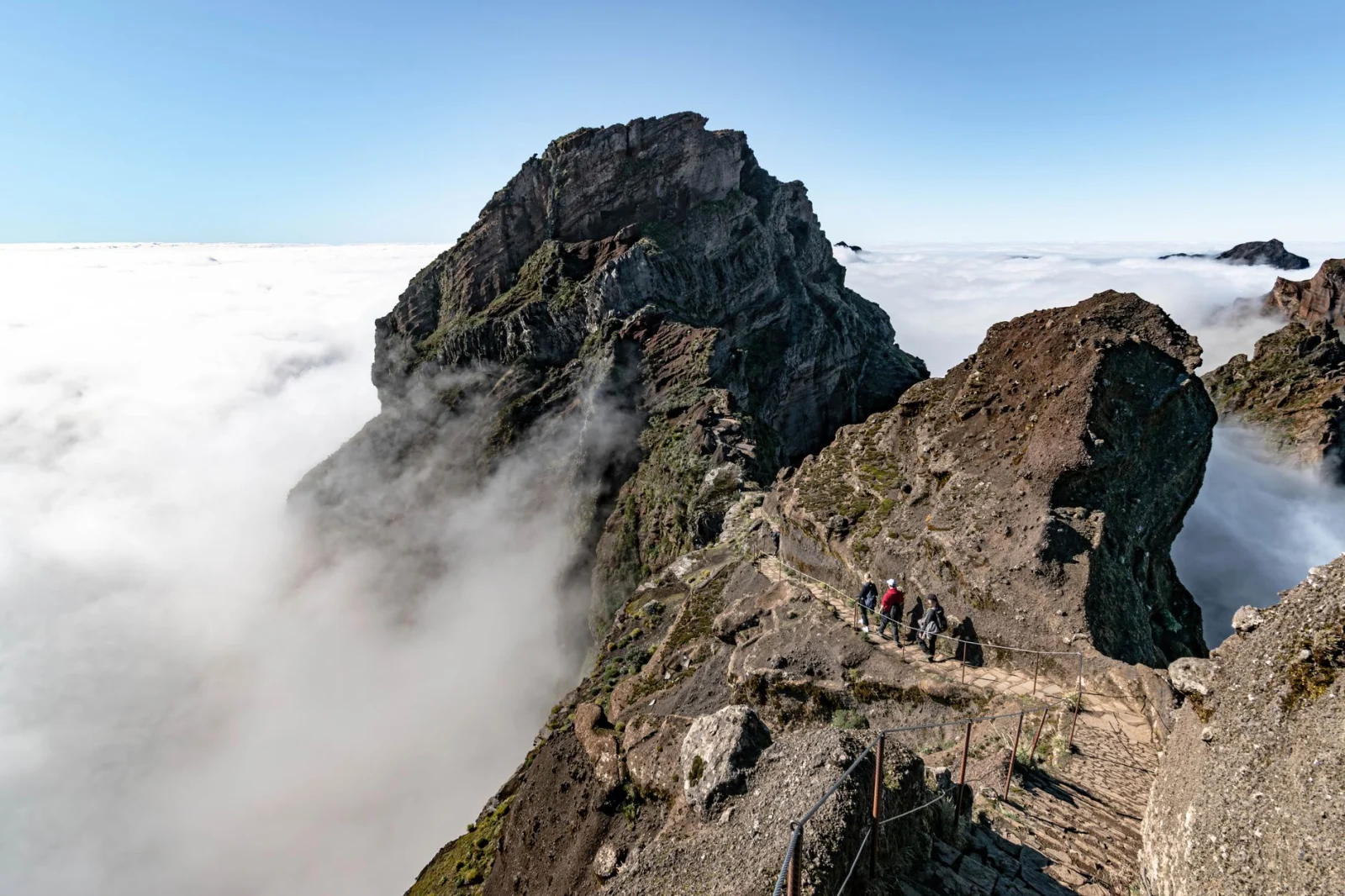
Could you arrive without a car, wake up, choose a route that matches the weather and finish the day somewhere you would still enjoy staying? The towns in this guide come closest to passing all four parts of that test.
How the Ten Towns Compare
| Town | Country | Best for | Without a car | Main trade-off |
|---|---|---|---|---|
| Chamonix | France | Huge variety and lift-assisted hiking | Excellent | Busy and expensive |
| Zermatt | Switzerland | Car-free Matterhorn hiking | Excellent | Very expensive |
| Cortina d'Ampezzo | Italy | Dolomite scenery and hut routes | Good | Trailheads are spread out |
| Kranjska Gora | Slovenia | Compact base for two mountain ranges | Good | Some big hikes need a bus |
| Innsbruck | Austria | A city with mountains built into it | Excellent | Less village atmosphere |
| Berchtesgaden | Germany | National park valleys and gentler days | Good | Popular sights draw crowds |
| Cauterets | France | Pyrenean valleys from a thermal town | Good | High routes are seasonal |
| Zakopane | Poland | Dense Tatra trail network | Very good | Extremely busy in peak periods |
| Bansko | Bulgaria | Affordable access to the Pirin Mountains | Fair-good | Summer transport varies |
| Andalsnes | Norway | Steep hikes above a fjord and railway | Excellent | Weather controls everything |
01 · Chamonix · FranceChamonix
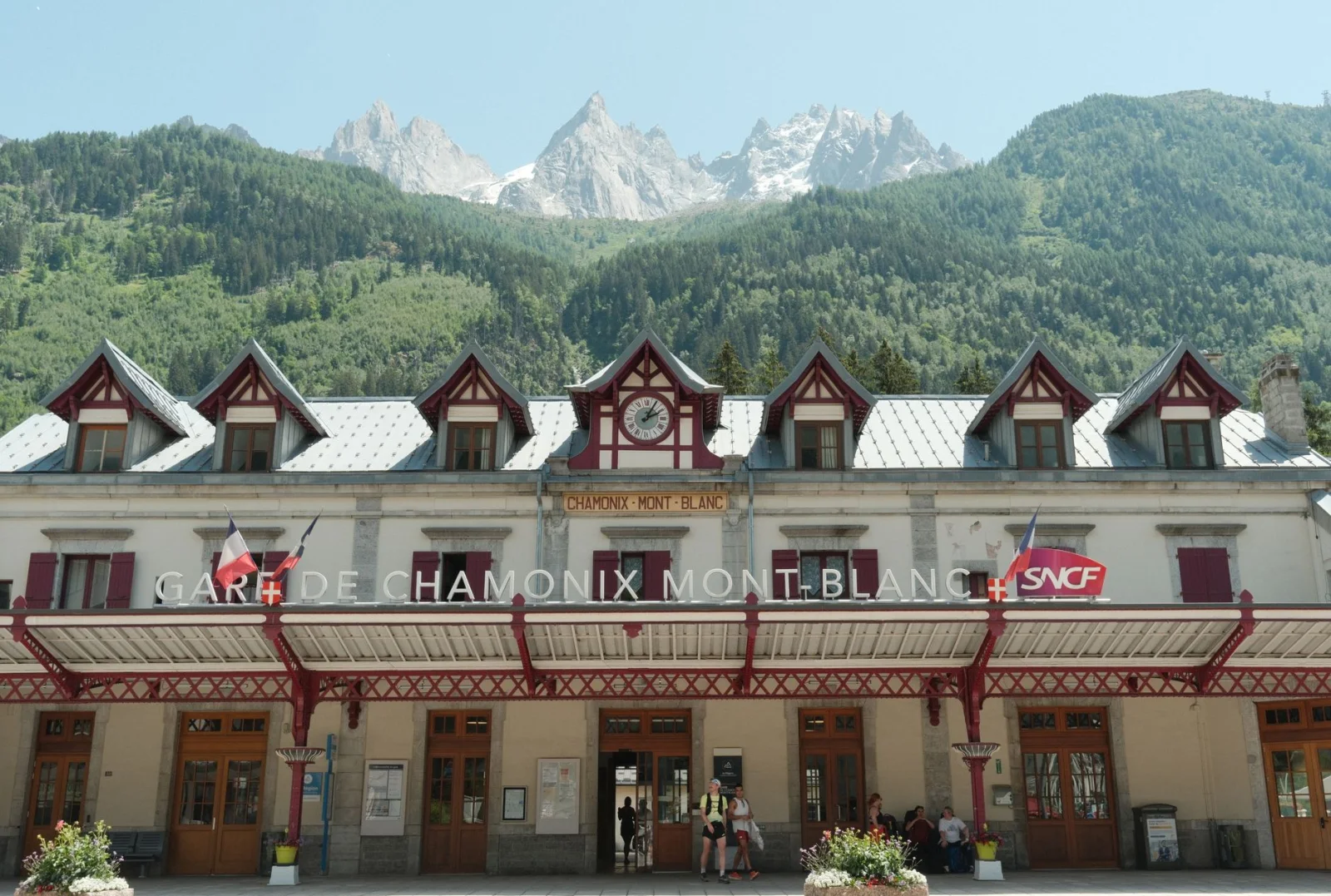
Chamonix is the obvious answer, which is not the same as saying it is the wrong answer. Few European towns provide such immediate access to so many versions of a mountain day.
Low balcony trails follow the valley through forest. Steeper paths climb directly from town toward Bel Lachat, Planpraz and the slopes beneath the Aiguilles Rouges. Trains, buses and lifts then open routes above Argentiere, Les Houches and the glaciers on the opposite side of the valley.
The walk that explains the town
Use the Plan de l'Aiguille lift and walk the Grand Balcon Nord toward Montenvers. The route is not the wildest hike in the valley, but it shows why Chamonix works: high scenery, a clear trail and public transport at both ends.
Why stay here
- The range of hikes is large enough for a full week.
- Buses and trains connect the main settlements in the valley.
- Guides, equipment shops and mountain information are easy to find.
- Bad-weather days still leave cafes, museums and lower walks.
The catch
Chamonix can feel like an outdoor capital rather than a quiet mountain town. Accommodation is expensive, lift queues are real and the famous routes are rarely lonely in high summer.
Chamonix-Mont-Blanc: Official hiking trails ↗02 · Zermatt · SwitzerlandZermatt
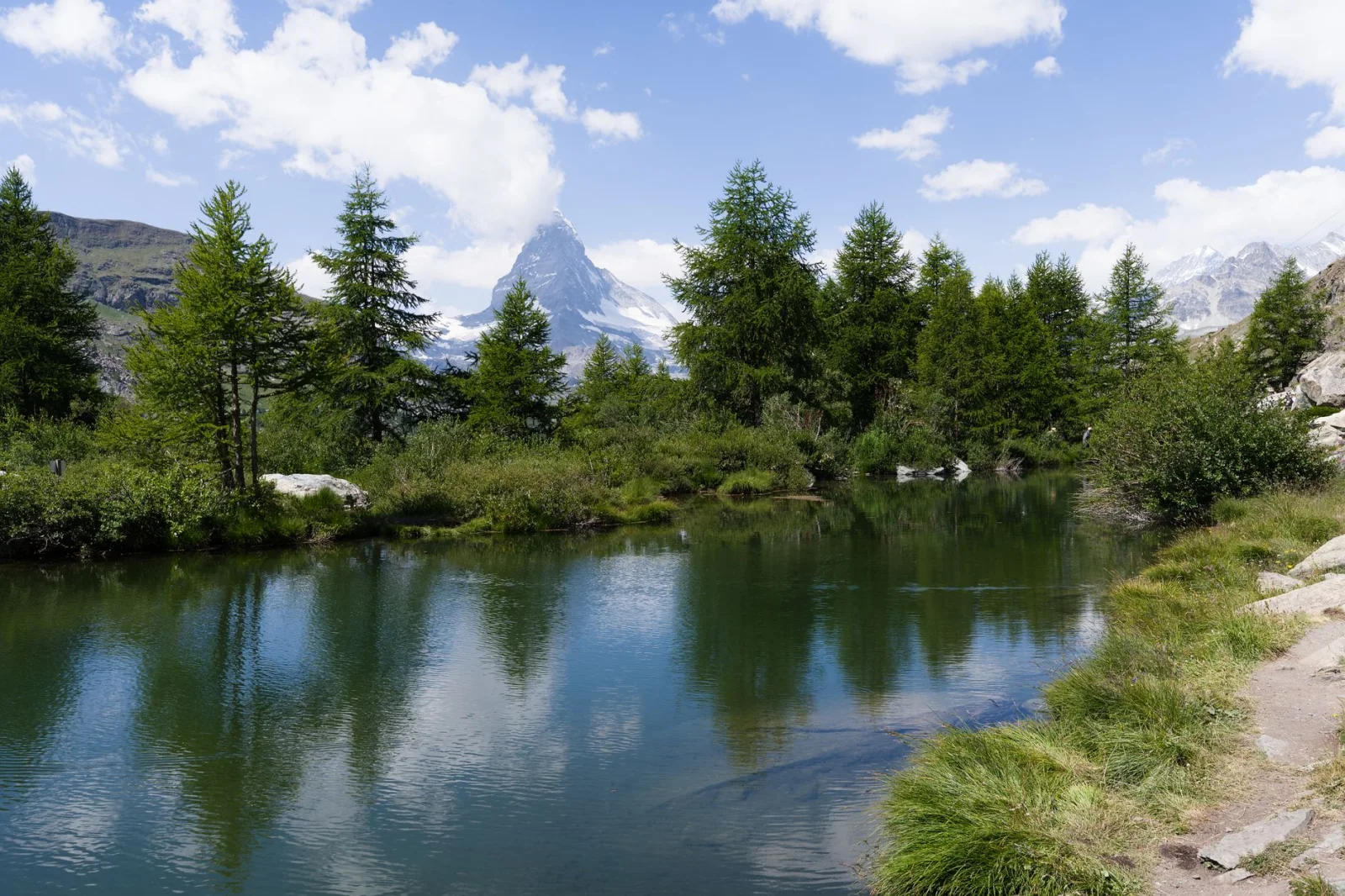
Zermatt removes cars and replaces them with electric vehicles, mountain railways and one very persistent view of the Matterhorn.
The village itself leads into paths toward Zmutt, Furi and the forests above the Matter Vispa. Lifts and the Gornergrat railway make it possible to begin higher and build days around lakes, glacier viewpoints and long traverses back toward the village.
The walk that explains the town
The Five Lakes Walk is the famous choice, with the Matterhorn appearing above several small lakes. For a route that feels more connected to village life, walk from Zermatt through the hamlet of Zmutt toward Furi and return by a different path.
Why stay here
- The village is car-free and the railway arrives in the centre.
- Easy, moderate and serious Alpine routes are all available.
- Mountain transport makes high-level hiking possible without a car.
- The trail network remains useful even when one sector has poor weather.
The catch
Zermatt is one of the most expensive choices in Europe. Mountain transport can cost almost as much as accommodation, and the Matterhorn does not guarantee privacy.
Zermatt Tourism: Official hiking routes ↗03 · Cortina d'Ampezzo · ItalyCortina d'Ampezzo
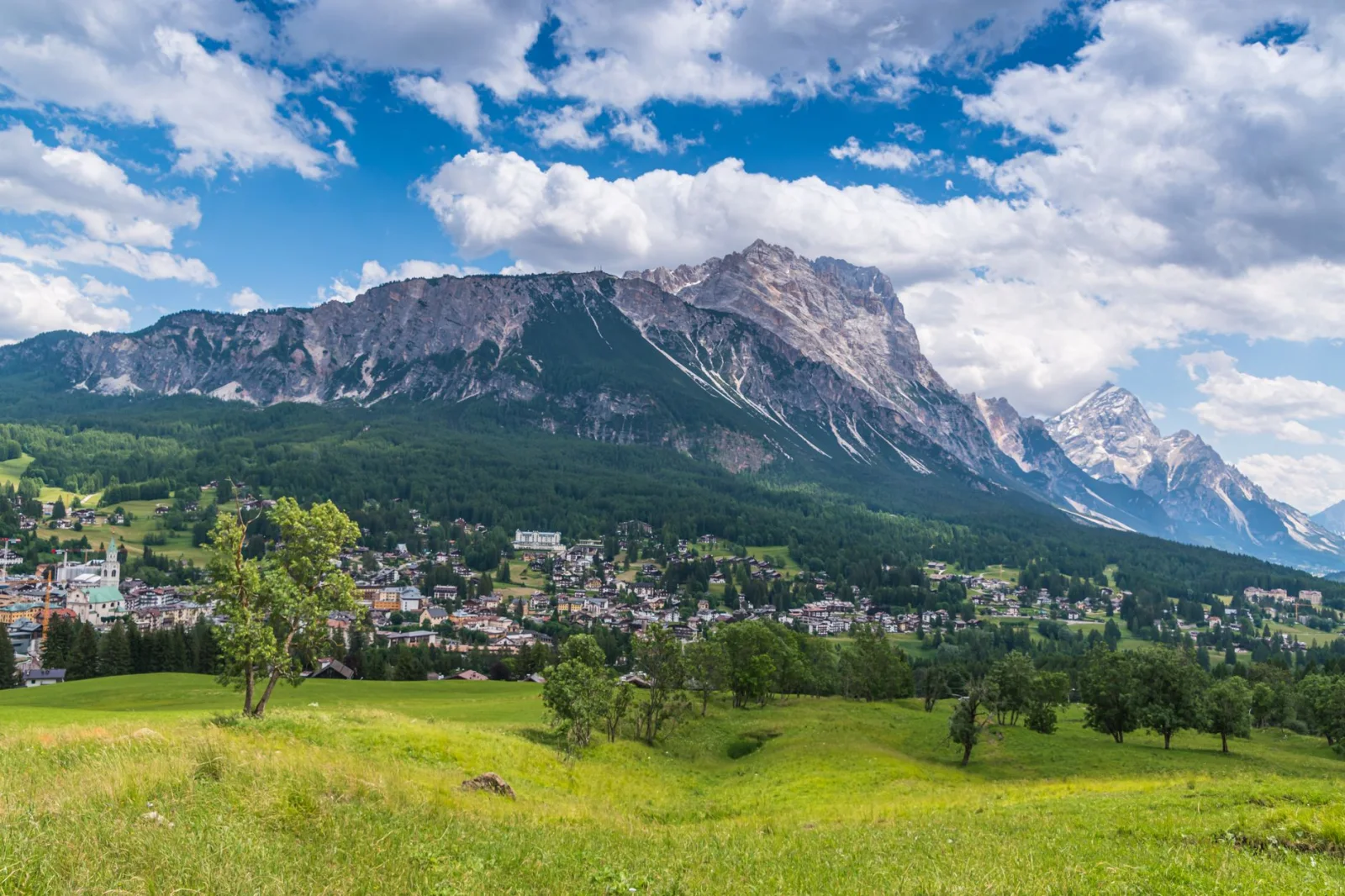
Cortina sits inside a broad Dolomite basin rather than at the end of a single valley. That creates its greatest strength and its main inconvenience: the choice is enormous, but the trailheads point in every direction.
Hikes spread toward Tofane, Cristallo, Faloria, Croda da Lago and the Cinque Torri. Local buses and summer lifts reduce the need for a car, though the system requires more planning than in Zermatt or Chamonix.
The walk that explains the town
A day around Cinque Torri combines the qualities that make Cortina attractive: strange limestone towers, mountain huts, open views and route options that can be adjusted using lifts and buses.
Why stay here
- Several distinct Dolomite groups are accessible from one base.
- Huts turn ordinary day hikes into long lunches or easy overnight trips.
- The town has enough restaurants and shops for a longer stay.
- There are routes for walkers, scramblers and via ferrata climbers.
The catch
Cortina is stylish, expensive and spread out. A beautiful route may still begin twenty or thirty minutes away by bus, and summer transport should be checked before booking a no-car trip.
Cortina d'Ampezzo: Official hiking information ↗04 · Kranjska Gora · SloveniaKranjska Gora
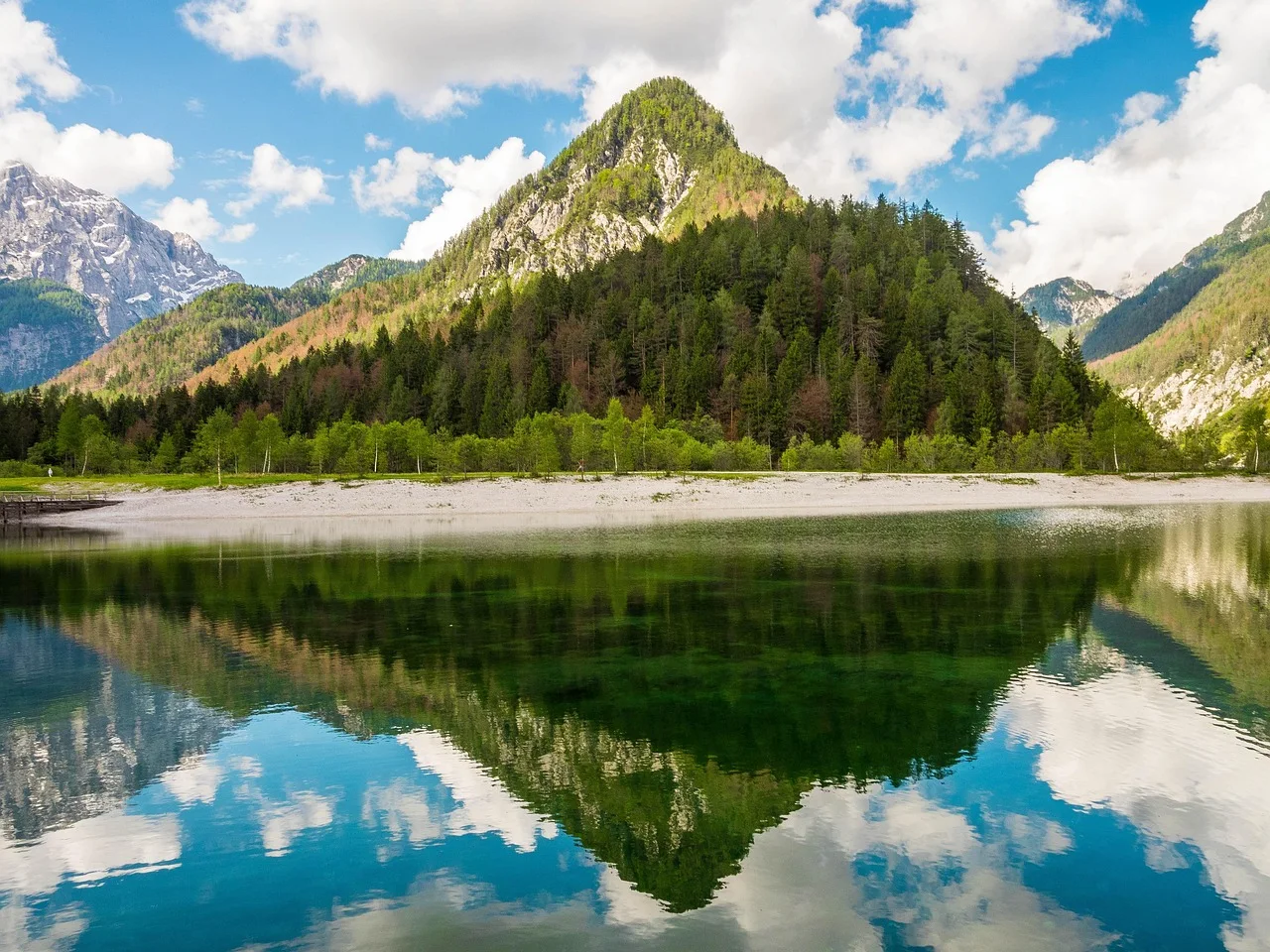
Kranjska Gora is small enough that the edge of town arrives quickly. To the south rise the Julian Alps; to the north, the softer Karavanke ridge follows the Austrian border.
That position creates useful variety. You can walk from the centre to Lake Jasna, climb Vitranc directly above town, follow lower paths toward Ratece or use a bus to reach Mojstrana, Planica and the Vrsic road.
The walk that explains the town
The climb to Vitranc begins near the tourist information centre and rises through forest above Lake Jasna. It is a proper ascent, but it demonstrates the article title literally: breakfast in town, trail from the pavement, mountain view before lunch.
Why stay here
- Trails begin from the centre and the nearby villages.
- The Julian Alps and Karavanke provide different terrain.
- The Juliana Trail passes through the destination.
- Buses make several valley trailheads reachable without driving.
The catch
The largest Julian Alps routes do not all begin in Kranjska Gora itself. Vrsic, the Vrata Valley and Planica require transport, and buses may be less frequent outside the main season.
Kranjska Gora: From the town centre to Vitranc ↗05 · Innsbruck · AustriaInnsbruck
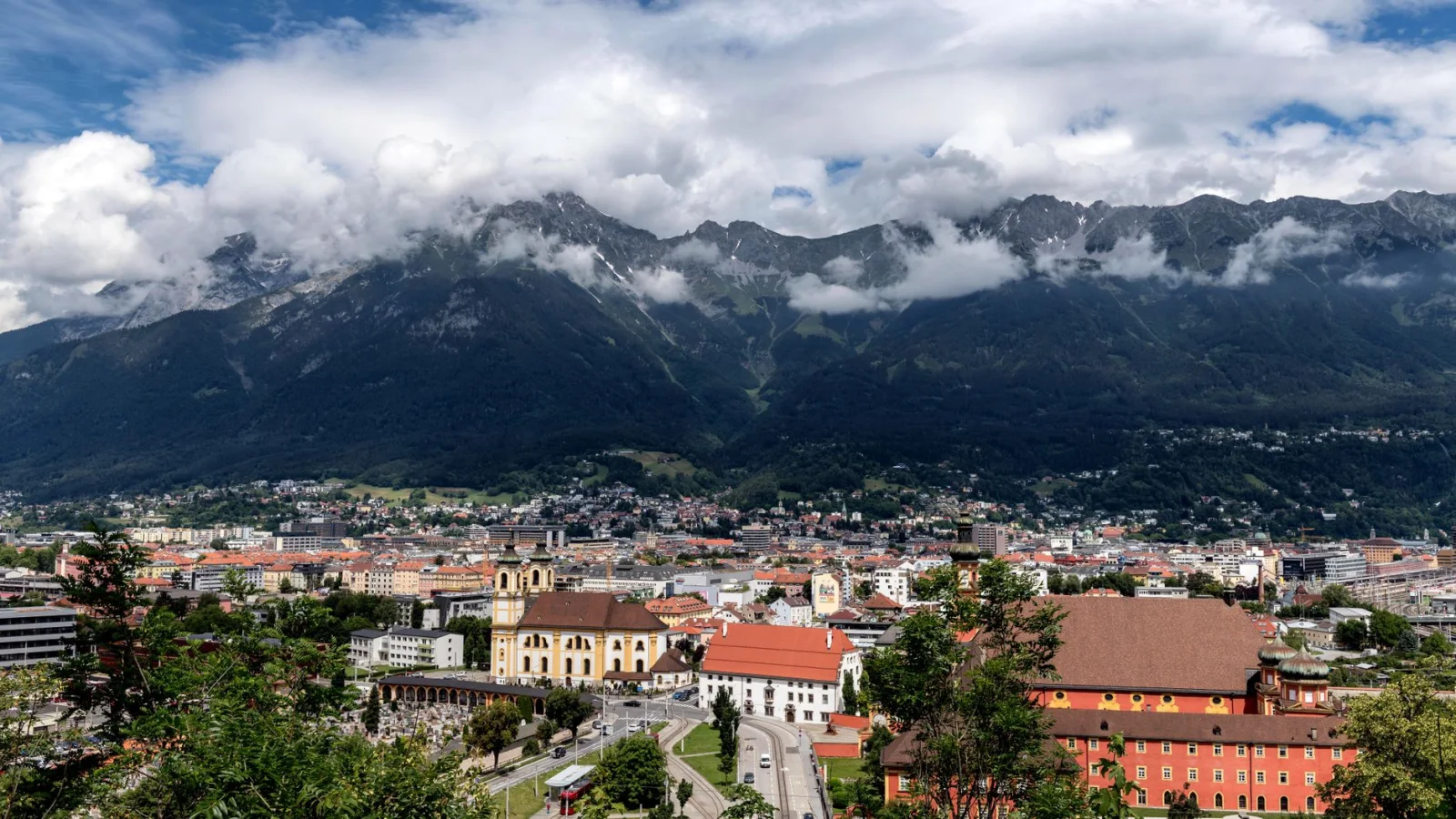
Innsbruck stretches the meaning of mountain town. It has universities, trams, an old town and enough urban life to support a rainy week. It also has the Nordkette rising almost directly behind the centre.
The Hungerburg funicular and Nordkette cable cars can move a visitor from city streets to high Alpine terrain in well under an hour. Trails also begin from the wooded outskirts, while buses and local rail connect the Patscherkofel, Mieming Plateau and surrounding valleys.
The walk that explains the town
Take the mountain railway to the Nordkette and walk a suitable section above Innsbruck, or begin lower from Hungerburg and climb through forest toward a hut. The city remains visible beneath you for much of the day.
Why stay here
- Rail connections make arrival straightforward.
- Public transport reaches an unusually large number of trailheads.
- A bad-weather day does not ruin the trip.
- The hiking range extends from family walks to exposed high routes.
The catch
Innsbruck offers mountain access rather than village intimacy. Hikers looking for cowbells outside the bedroom window may find the city too urban, while others will consider that exactly the advantage.
Innsbruck Tourism: Hiking in the region ↗Innsbruck Tourism: Nordkette access ↗06 · Berchtesgaden · GermanyBerchtesgaden
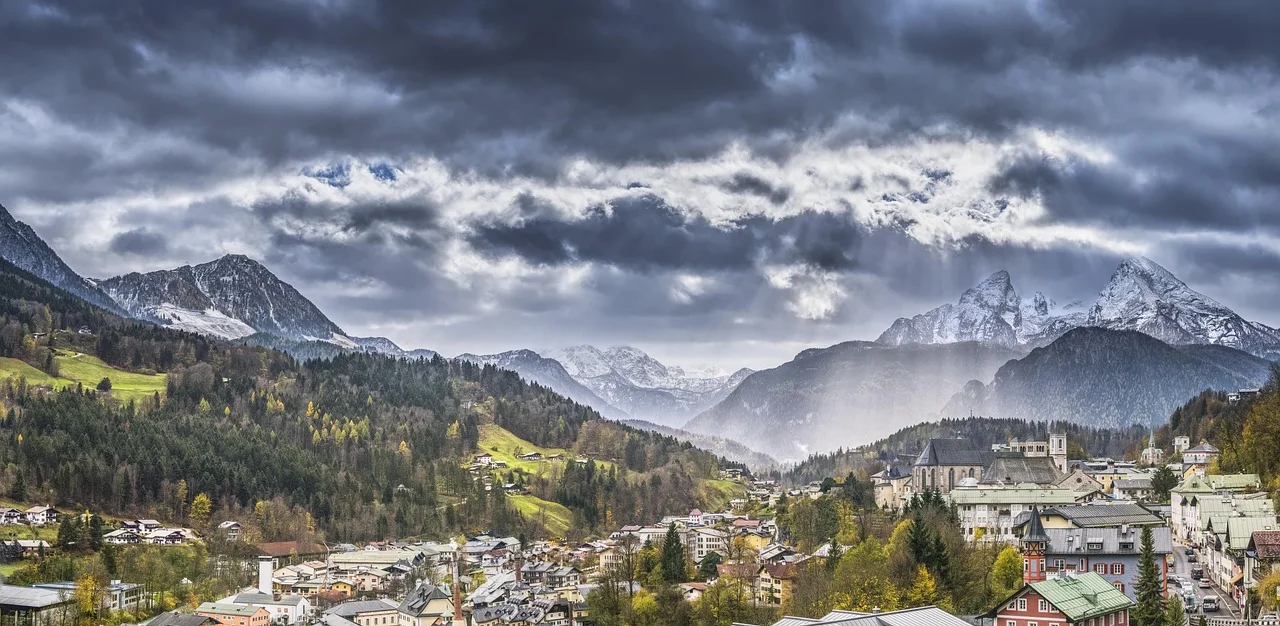
Berchtesgaden is a useful base for hikers who want dramatic mountains without turning every day into an Alpine test.
Short local walks climb toward Lockstein or follow historic routes above the town. Buses reach Konigssee, Ramsau, Hintersee and the national park valleys, where the trail network ranges from accessible lakeside paths to serious routes on the Watzmann massif.
The walk that explains the town
Begin with a local trail above Berchtesgaden for views across the basin, then use another day for the boat and trail toward Obersee. The combination shows the value of the base: town walks, national park landscapes and several transport-supported day trips.
Why stay here
- The national park maintains an extensive signed trail network.
- Buses connect the town with lakes and valley entrances.
- Lower and easier walks remain available in uncertain weather.
- Salzburg is close enough for a rail-based wider trip.
The catch
Konigssee and the best-known viewpoints become crowded. Some iconic hikes also require a boat, bus or early start rather than stepping directly onto the trail from the old town.
Berchtesgaden: Hiking and mountaineering routes ↗Berchtesgaden National Park: Official hiking information ↗07 · Cauterets · FranceCauterets
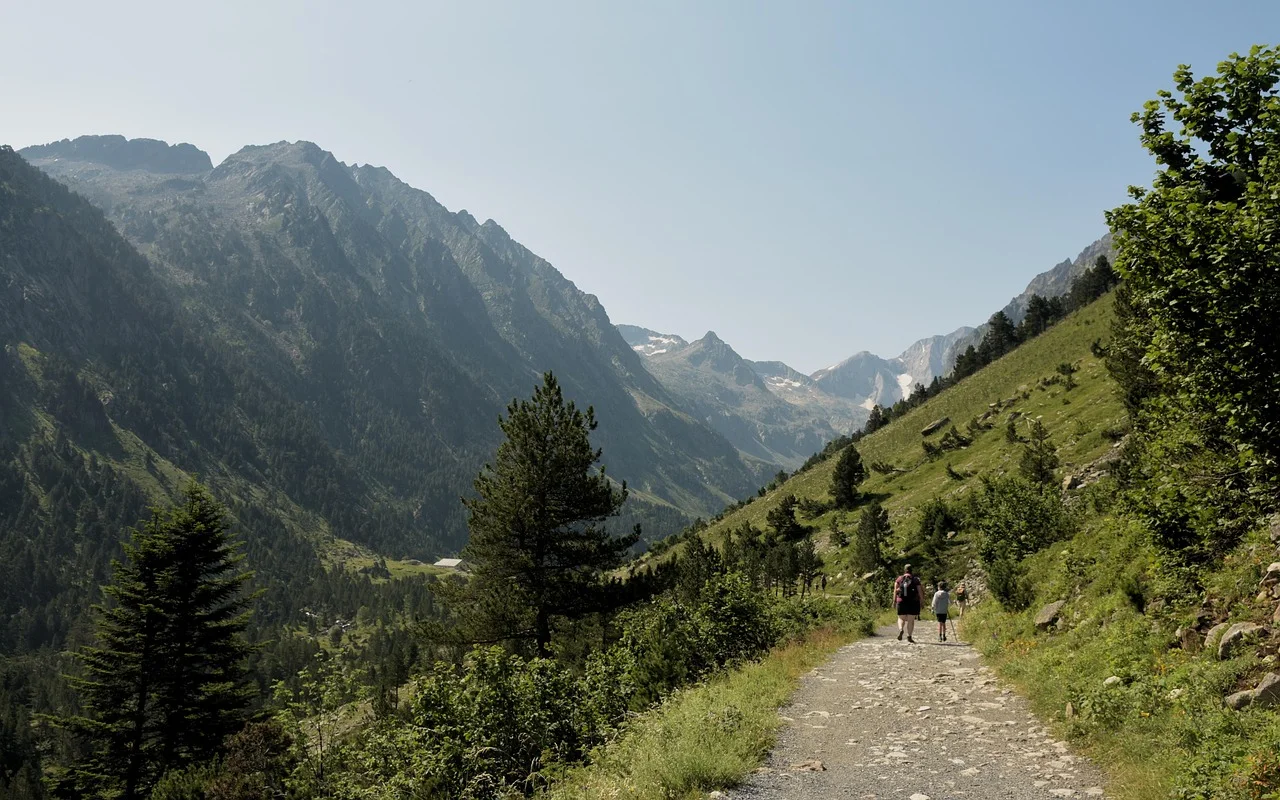
Cauterets is a thermal town that happens to sit at the entrance to some of the most useful hiking terrain in the French Pyrenees.
Forest trails leave the village and follow the valley toward La Raillere and its waterfalls. Higher routes around Pont d'Espagne and the Marcadau Valley are reached by seasonal transport or a longer approach, opening paths toward mountain lakes and refuges.
The walk that explains the town
Walk from Cauterets toward La Raillere through the forest, then continue as conditions and energy allow. The route links the town with water, woodland and the higher national park landscape rather than treating them as separate attractions.
Why stay here
- Several walks begin directly from the village.
- Thermal baths give recovery days a convincing purpose.
- The town provides access to both forest valleys and high Pyrenean terrain.
- A compact centre makes a no-car stay realistic in season.
The catch
The most famous high routes depend on snow, seasonal roads and transport. A spring visit may be a forest-hiking holiday even when the postcards suggest high lakes.
Cauterets Tourism: Hiking routes from the village ↗08 · Zakopane · PolandZakopane
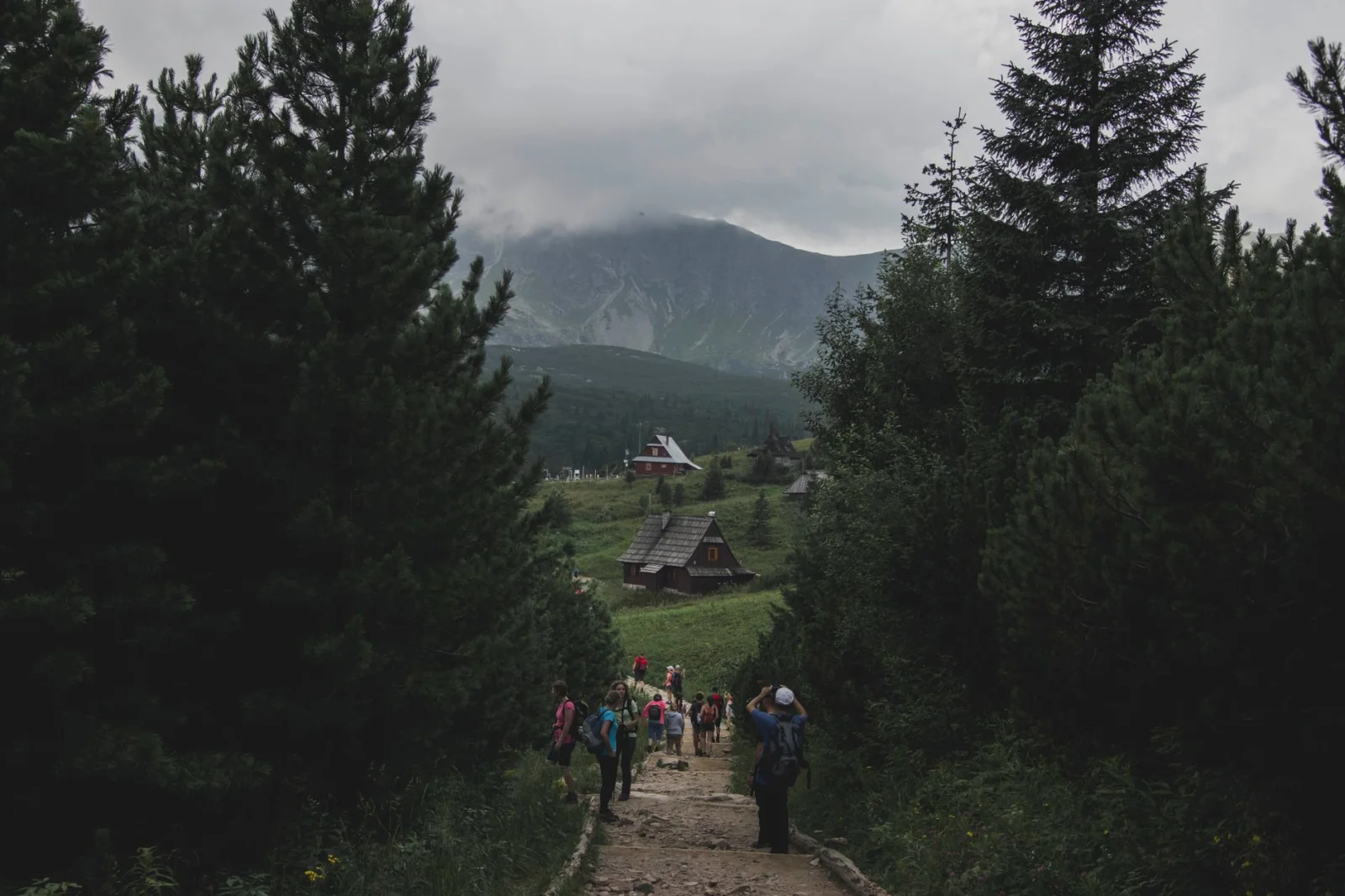
Zakopane is loud, busy and commercially energetic. It is also one of the most practical gateways to a dense mountain trail network anywhere in Europe.
Local minibuses connect the centre with entrances around Kuznice, Kiry, Palenica Bialczanska and other points along Tatra National Park. Lower valleys provide approachable walking, while higher routes reach lakes, passes and exposed summits.
The walk that explains the town
Start from Kuznice and walk toward Hala Gasienicowa. The route rises from forest to a broad mountain basin beneath the High Tatras and can be extended toward lakes or passes according to weather and experience.
Why stay here
- Minibuses make many national park entrances accessible without a car.
- The marked trail network is extensive and varied.
- Accommodation covers almost every budget.
- The town remains lively outside the hiking season.
The catch
Zakopane is not a quiet retreat in peak season. Popular valleys and routes can feel crowded from early morning, and winter closures or seasonal rules affect some high trails.
Zakopane: Official Tatra Mountains visitor information ↗Tatra National Park: Official visitor information ↗09 · Bansko · BulgariaBansko
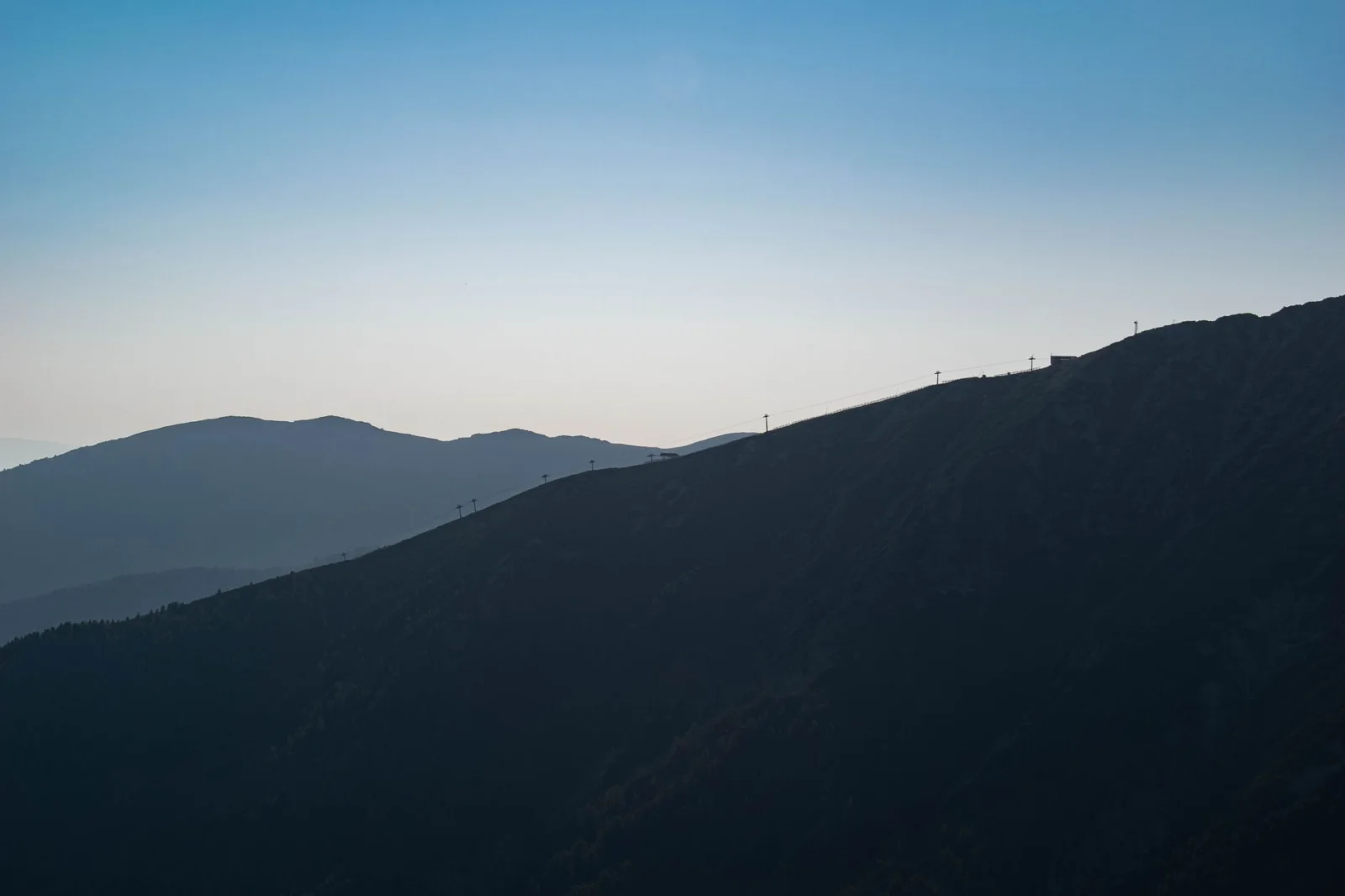
Bansko is known first as a ski resort, but its old town sits below the Pirin Mountains and offers one of the better-value bases in this guide.
Lower trails and roads begin above the town, while seasonal shuttles, taxis and the gondola help hikers reach higher starting points. The classic Pirin landscape arrives around Vihren Hut: granite peaks, clear lakes and routes ranging from short walks to serious summit days.
The walk that explains the town
Use local transport to reach the Vihren Hut area, then choose a marked route that fits the forecast. The path toward Okoto and the Banderishki lakes provides a gentler introduction than attempting Vihren itself.
Why stay here
- Accommodation and food are generally cheaper than in the Western Alps.
- The Pirin Mountains provide dramatic high terrain close to town.
- The old quarter gives the base more character than a purpose-built resort.
- A week can combine hiking with thermal villages and cultural trips.
The catch
Summer transport is less seamless than in Switzerland or Austria. Gondola operation, road access and shuttles vary, so a no-car itinerary needs confirmation rather than assumption.
Bansko Municipality: Official hiking trails ↗Bansko Ski: Summer hiking information ↗10 · Åndalsnes · NorwayÅndalsnes
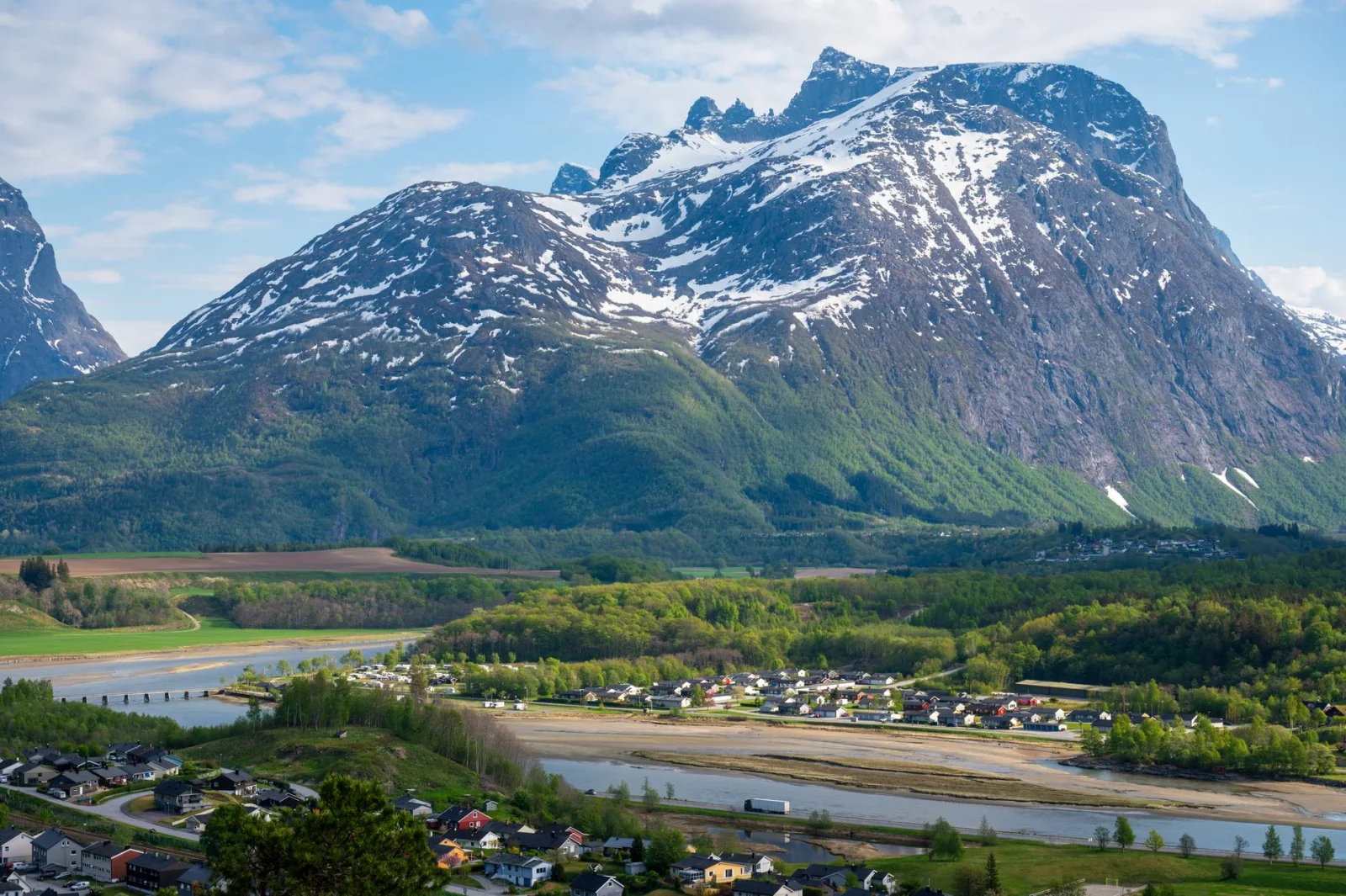
Andalsnes is where the railway reaches a fjord and appears to run out of level ground.
The best-known local trail begins close to the centre and climbs steeply toward Rampestreken and Nesaksla. The longer Romsdalseggen ridge starts after a seasonal bus transfer and finishes by descending directly into town.
The walk that explains the town
Hike from the centre to Rampestreken. The climb is steep and unapologetic, but the view over the town, fjord and Romsdal mountains explains why Andalsnes markets itself as Norway's mountaineering capital.
Why stay here
- The Rauma Railway arrives in the town centre.
- Rampestreken begins on foot from town.
- The Romsdalseggen bus leaves from central Andalsnes in season.
- The gondola provides a weather-dependent easier option to Nesaksla.
The catch
The mountains are steep, the weather changes quickly and many routes are poor choices in wind, rain or low cloud. Andalsnes rewards flexibility more than a rigid itinerary.
Visit Norway: Andalsnes travel and hiking guide ↗Visit Norway: Rampestreken hike ↗Which Mountain Town Should You Choose?
For the Easiest Car-Free Trip
Choose Zermatt, Chamonix, Innsbruck or Andalsnes. Each has a railway arrival and a transport network designed around visitors reaching the mountains without driving.
For a Quieter Small-Town Base
Kranjska Gora and Cauterets feel more compact than the famous international resorts. Berchtesgaden also provides a real town centre, though the national park highlights attract large day crowds.
For the Best Value
Bansko and Zakopane generally provide more affordable accommodation and food than the Western Alps. The saving comes with busier streets in Zakopane and less predictable summer transport in Bansko.
For the Biggest Range of Hiking
Chamonix, Zermatt, Cortina and Innsbruck offer enough route variety for a week or more. They also make it easier to adjust the plan when cloud or storms affect one side of the valley.
For a First Mountain Holiday
Kranjska Gora, Berchtesgaden and Innsbruck provide the best mix of manageable trails, transport and non-hiking options. Zermatt also works well when the budget allows extensive use of mountain railways.
How Long Should You Stay?
Three nights provide two hiking days, which is enough only when the weather cooperates. Four or five nights are safer for a mountain trip because they leave room for one wet day and one route change.
- Three nights: one headline hike and one shorter backup day.
- Five nights: three or four hikes with room for weather.
- Seven nights: enough time to explore different sides of the region.
- Longer stays: worthwhile in Chamonix, Zermatt, Cortina and Innsbruck, where the route network is broadest.
The Best Season for Europe's Mountain Towns
Late Spring
Lower valley paths may be open while high trails remain under snow. Cauterets, Berchtesgaden, Innsbruck and Kranjska Gora offer more low-level alternatives than bases built mainly around high routes.
Summer
This is the main season for lifts, buses and mountain huts. It is also the busiest and most vulnerable to afternoon thunderstorms. Start early and avoid building the entire trip around one famous trail.
Early Autumn
September often combines open infrastructure with cooler air and fewer families. Shorter daylight and early snow become increasingly important in Zermatt, Chamonix, Cortina and Andalsnes.
Winter
These towns remain active, but ordinary hiking routes may become winter mountaineering terrain. Use marked winter paths, local avalanche information and equipment appropriate to snow and ice.
Can You Really Stay Without a Car?
Yes, but "car-free" can mean three different things.
- Walk-from-the-door: Rampestreken in Andalsnes, Vitranc in Kranjska Gora and local paths above Berchtesgaden.
- Town transport: buses, trains or lifts move you to the start, as in Chamonix, Zermatt and Innsbruck.
- Possible but seasonal: Cortina, Cauterets, Zakopane and Bansko require more attention to timetables.
Before booking accommodation, check the first and last transport of the day, the walking distance to the station and whether the route still works when a lift closes because of wind.
Where to Stay Inside a Mountain Town
The cheapest room at the edge of the destination may create a daily transport problem. In a hiking town, location often matters more than hotel category.
- Stay within walking distance of the railway or main bus stop.
- Check the direction of the first morning bus, not only the town centre distance.
- Look for an early breakfast or a kitchen when hiking days begin before 7 a.m.
- Confirm secure storage for boots, poles and wet clothing.
- Choose flexible cancellation when the trip depends on a narrow weather window.
A Town Does Not Make the Mountains Easy
Good transport and comfortable accommodation can create a false sense of security. Several routes in this guide enter serious Alpine, Pyrenean, Tatra, Pirin or Norwegian terrain within a few hours.
- Check a mountain-specific forecast rather than the town forecast alone.
- Confirm trail status, snow conditions and seasonal closures.
- Distinguish hiking paths from via ferrata and mountaineering routes.
- Know the last lift, bus or train before relying on it for the return.
- Choose a turnaround time before the group becomes committed to the summit.
Frequently Asked Questions
What Is the Best Mountain Town in Europe for Hiking?
Chamonix offers the broadest combination of trail variety, transport and mountain services. Zermatt is the strongest car-free village, while Innsbruck is the easiest place to combine hiking with a proper city break.
Which Mountain Town Is Best Without a Car?
Zermatt is car-free by design. Chamonix and Innsbruck have excellent local transport, and Andalsnes combines a railway arrival with a major hike beginning in the centre.
Which Mountain Town Is Most Affordable?
Bansko and Zakopane are generally the best-value bases in this list. Kranjska Gora can also cost less than the famous Swiss, French and Italian resorts outside peak weeks.
Which Town Is Best for Beginner Hikers?
Berchtesgaden, Kranjska Gora and Innsbruck provide many lower or easier routes and useful alternatives in poor weather. Beginners should still check individual route difficulty rather than judging by proximity to town.
How Many Days Do I Need?
Four or five nights is the practical minimum for a dedicated hiking trip. It provides three full days and enough flexibility for one day of rain, cloud or recovery.
Do Mountain Lifts Make Hiking Too Easy?
They change the starting elevation, not the weather or terrain. Lift-assisted routes can still include exposure, steep descents and high-altitude conditions. The advantage is choice, not guaranteed ease.
Should I Book One Base or Move Between Towns?
One base works best for a short trip because it removes packing and transfer time. Combine towns only when the journey between them is part of the experience, such as Chamonix to Zermatt or Innsbruck to the Dolomites.
Final Thoughts
A mountain town is useful when it removes friction without removing the feeling of a journey.
Chamonix and Zermatt provide famous peaks and mature transport systems. Cortina spreads the Dolomites around a wide basin, while Kranjska Gora fits two mountain ranges around a compact Slovenian base. Innsbruck makes the strongest case that a city can still put the trail close to the front door.
Berchtesgaden and Cauterets offer gentler valley days beneath serious mountains. Zakopane and Bansko bring the Tatras and Pirin within reach of a wider budget. Andalsnes finishes the list with a railway platform beneath a trail that climbs almost immediately toward the sky.
Choose the town for the days when the weather is imperfect, not only for the photograph you hope to take. The best base is the place where several good walks remain possible after the original plan changes.