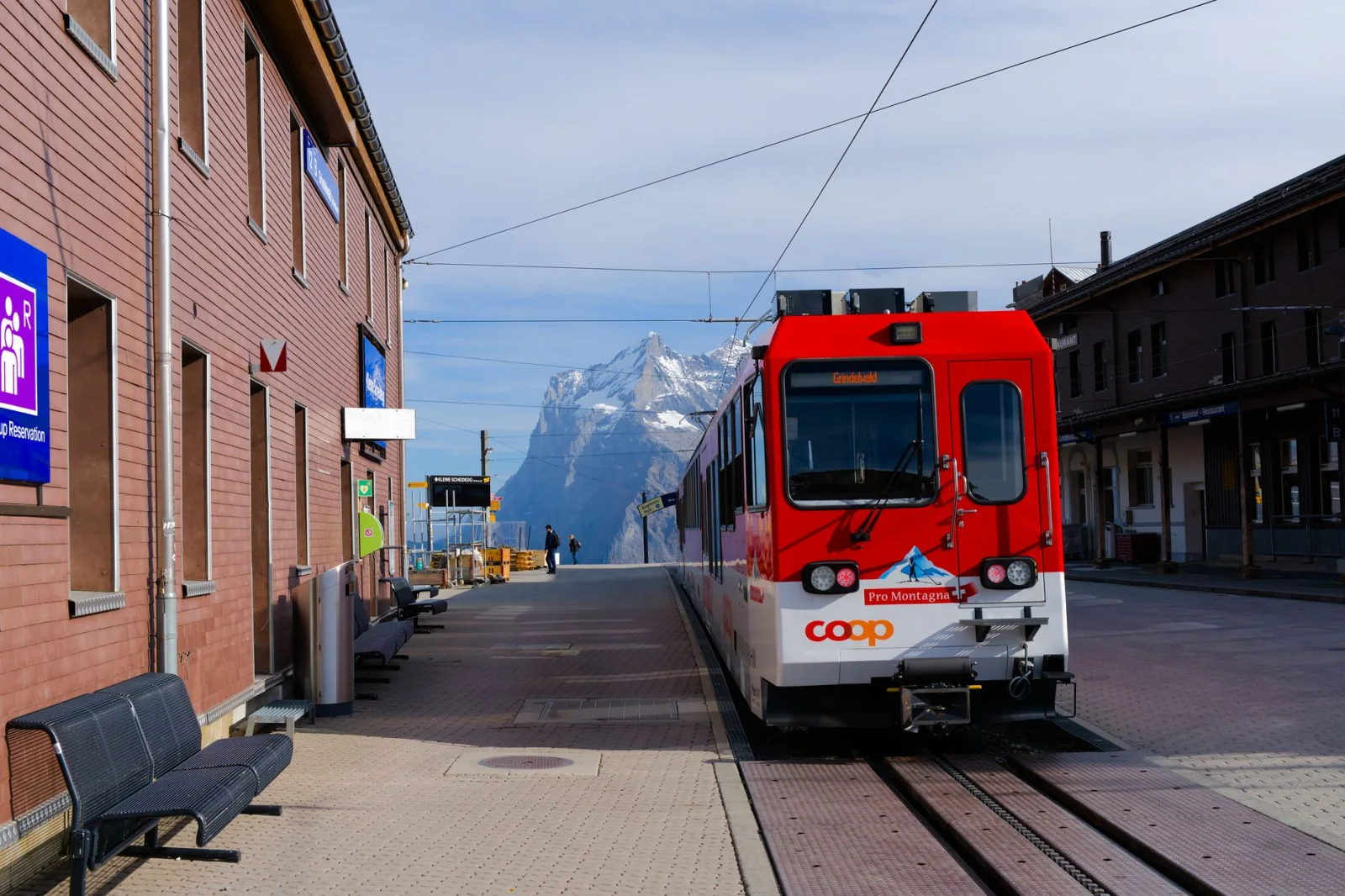
A car solves one problem in the mountains and creates several others. It reaches remote valleys, but it also ties each walking day to parking, traffic and a return to the same place before nightfall.
Some European mountain towns work on a different logic. The railway station, local bus or cable car is not merely the way to arrive; it becomes part of the route. A morning train can replace a road transfer, while a valley bus makes point-to-point walks possible without retrieving a vehicle.
The strongest bases are not necessarily the most isolated. They are places with enough transport, accommodation and bad-weather options to support several days on foot. A useful car-free base also needs more than one obvious trail, because weather and mountain conditions rarely follow an itinerary.
The ten choices below range from polished Alpine networks to looser systems that require more timetable work. Each can support a genuine hiking holiday without a rental car, but none removes the need to check seasonal services, last departures and current trail conditions.
The reward is a different rhythm: fewer decisions behind a steering wheel, more linear walks, and the freedom to end a day in a different village from where it began.
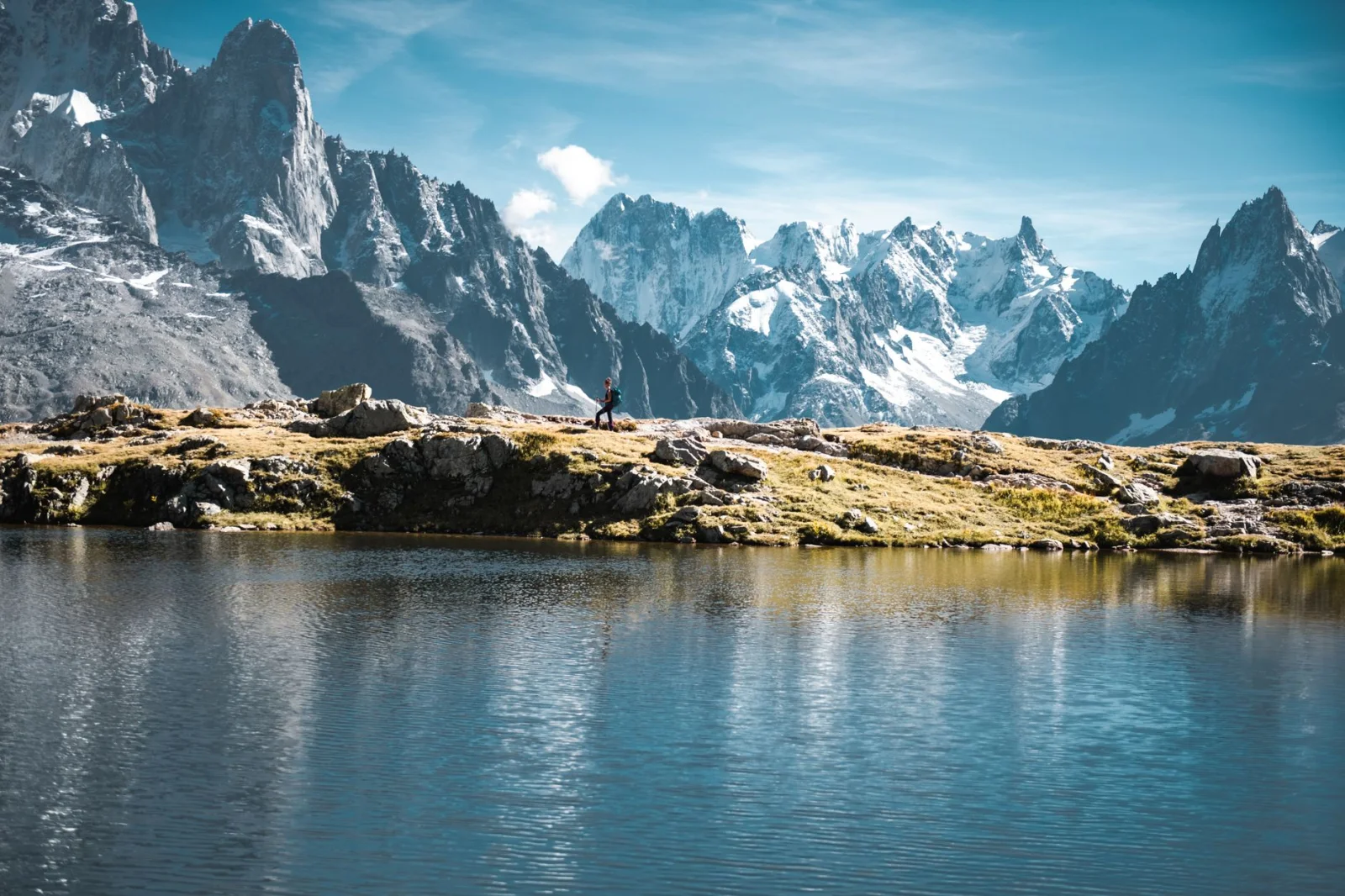
“The best car-free base does not eliminate logistics; it turns them into a useful part of the walking day.”
How the 10 car-free hiking bases compare
| Base | Arrival | Local trail access | Best for | Main trade-off |
|---|---|---|---|---|
| Innsbruck | Mainline train | Trams, buses and mountain lifts | City life with daily hikes | Less sense of retreat |
| Chamonix | Regional train | Valley train, buses and lifts | High-Alpine day routes | Cost and peak-season crowds |
| Zermatt | Train | Mountain railways, lifts and e-bus | Fully car-free Alpine stay | High prices |
| Interlaken | Mainline train | Dense regional mountain railway network | Maximum route choice | Daily travel to the trail |
| Garmisch-Partenkirchen | Train | Local buses and mountain railway | Classic Bavarian Alps | Busy weekends |
| Kranjska Gora | Bus | Seasonal shuttles and regional buses | Vršič and Triglav gateways | No railway station |
| Bohinj | Train or bus | Local buses, shuttles and cable car | Lake and mountain balance | Dispersed settlements |
| Zakopane | Train or coach | Local buses, minibuses and cableway | Varied Tatra hiking | Heavy summer crowds |
| Brașov | Train | City bus to Poiana Brașov | Historic city plus Carpathians | Less integrated hiking network |
| Aviemore | Train | Local buses and mountain bus | Forest, lochs and open plateau | Weather and sparse connections |
01 · Tyrol · AustriaInnsbruck
The City Where the Mountain Commute Is Real
Innsbruck is the most convincing choice for travellers who want a proper city in the evening and a trail before lunch. Mainline trains arrive in the centre, and the regional network extends the usable hiking area far beyond the slopes visible from the old town. Trams, buses and mountain lifts make it possible to vary short ridge walks, valley routes and higher days without changing accommodation.
The practical advantage is resilience. When cloud sits on the Nordkette, lower routes, museums and other valleys remain available. The official mobility guide explains the rail connections and the public transport included with participating guest cards. Innsbruck arrival and mobility information ↗
A Better Base Than Escape
Innsbruck is less persuasive for walkers seeking silence from the moment they step outside. It feels urban, and the simplest trailheads can be busy. Its strength is not seclusion but choice: one base can support easy walks, serious mountain days and a weather-proof rest day.
Stay near the main station or a useful tram line rather than choosing accommodation only for its old-town address. The city is most effective when the first transport connection of the day requires little thought.
02 · Haute-Savoie · FranceChamonix
A Valley That Works Like a Long Trailhead
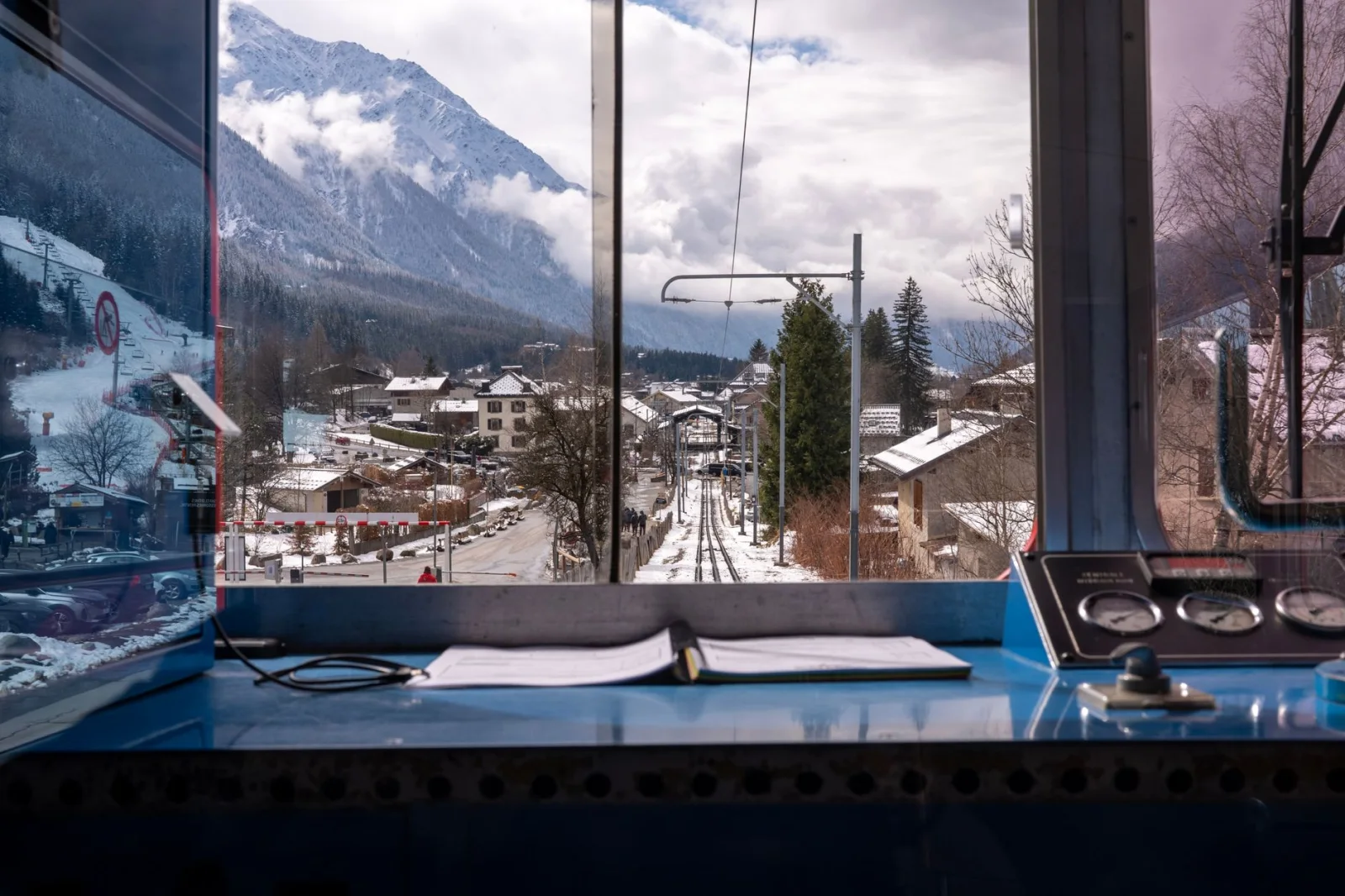
Chamonix becomes easier to understand when treated not as one resort but as a string of villages. The Mont-Blanc Express serves stops from Les Houches and Chamonix to Argentière and Vallorcine, while buses fill many of the gaps. That linear geography is useful for walks that descend somewhere other than where they began.
The official transport page lists the valley bus network and the Mont-Blanc Express, including the section covered for eligible guest-card holders. Chamonix valley public transport ↗
Convenience Does Not Make the Terrain Gentle
Easy transport can conceal how serious the surrounding mountains are. Lift-assisted routes may still cross exposed ground, lingering snow or rapidly changing weather. Chamonix also carries the familiar costs of fame: expensive rooms, crowded lifts and busy paths in high summer.
It is best for experienced walkers who value access to high terrain and are willing to plan alternatives. A valley-level route should always remain available when conditions make the original objective unwise.
03 · Valais · SwitzerlandZermatt
Car-Free by Design, Not by Compromise
Zermatt is the rare destination where arriving without a car is the normal arrangement. Trains enter the centre of the village, while private vehicles stop in Täsch. From the station, much of the village is walkable, and e-buses, mountain railways and lifts extend the practical range.
The official arrival guide describes the car-free system, regular rail access and local e-bus routes. Zermatt arrival and local mobility ↗
The Simplest Logistics Carry the Highest Price
Zermatt removes many transport uncertainties but replaces them with a budget question. Accommodation, mountain transport and meals can make even a short stay expensive. The best response is not necessarily to avoid the lifts, but to use them selectively for routes that would otherwise be impractical.
Walkers who prefer to start directly from the village still have options, although repeated ascents from the valley floor change the character of a holiday. Zermatt suits travellers who value seamless movement and can accept the cost of a highly organised mountain destination.
04 · Bernese Oberland · SwitzerlandInterlaken
The Base With More Directions Than Mornings
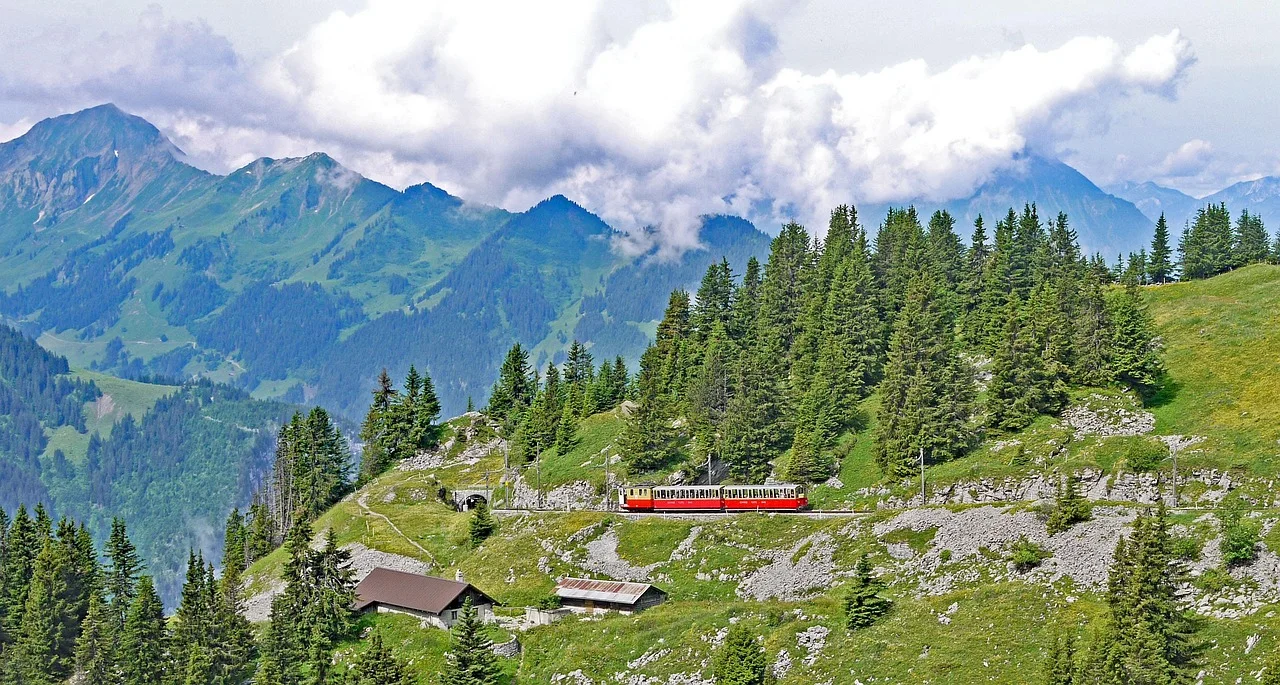
Interlaken is not the most intimate place on this list, but few bases offer a wider choice of car-free hiking areas. From Interlaken Ost, trains divide toward Lauterbrunnen and Grindelwald. Further railways, cableways and boats open routes around Mürren, Wengen, Schynige Platte and the two lakes.
The Jungfrau network is unusually coherent, and its official pass information shows how trains, mountain railways, cable cars and boats fit together. Some mountain bus routes sit outside the standard pass, so the map still deserves careful reading. Jungfrau regional transport information ↗
The Trail Often Begins After a Journey
The compromise is morning travel. Many of the best walks start well beyond Interlaken, and popular connections can be crowded. Staying in Lauterbrunnen or Grindelwald shortens individual days, but Interlaken makes more sense when the itinerary deliberately spans several valleys.
It is a strong first choice for travellers who want flexibility more than atmosphere. Buy regional transport only after mapping the actual routes; a broad pass is valuable when used often, not simply because it exists.
05 · Bavaria · GermanyGarmisch-Partenkirchen
A Railway Town Beneath Serious Mountains
Garmisch-Partenkirchen offers one of the easiest transitions from a major city to a mountain base. Regional trains connect it with Munich, and the station sits close enough to the centre that arrival does not require another transfer. Local buses and the mountain railway then distribute walkers toward different parts of the Wetterstein and Zugspitze area.
The destination’s official arrival page outlines rail access and current long-distance options. Garmisch-Partenkirchen arrival guidance ↗
Classic Access, Predictable Pressure
The same convenience attracts day visitors. Partnachklamm, Eibsee and the Zugspitze corridor can feel crowded, especially on weekends with good forecasts. The surrounding network is broad enough to avoid the obvious route every day, but doing so requires more planning than simply following the largest signs.
This base works well for a first car-free Alpine trip: transport is understandable, food and accommodation are plentiful, and routes range from valley walks to demanding mountain objectives. The town itself is spread out, so proximity to the station or a useful bus stop matters.
06 · Julian Alps · SloveniaKranjska Gora
The Bus Is Part of the Summer Mountain System
Kranjska Gora has no railway station, yet it remains a workable car-free base because regular buses reach the resort and seasonal services push deeper into the mountains. Summer connections serve the Vršič corridor, while the Vrata Valley bus opens access below Triglav from Mojstrana.
The official transport page publishes the current seasonal routes, dates and reservation arrangements. Kranjska Gora bus information ↗
Excellent in Season, Much Thinner Outside It
The weakness is visible on the timetable. Some of the most useful trail services exist only in summer, and frequency may be limited. A missed last bus from a pass or valley is not a minor inconvenience, so route timing must include a realistic margin.
Kranjska Gora is best for walkers prepared to build each day around the current bus network. Easy routes near the town, Lake Jasna and Zelenci provide alternatives, while stronger hikers can use the seasonal links for higher and more linear days.
07 · Julian Alps · SloveniaBohinj
A Region, Not a Single Lakeside Village
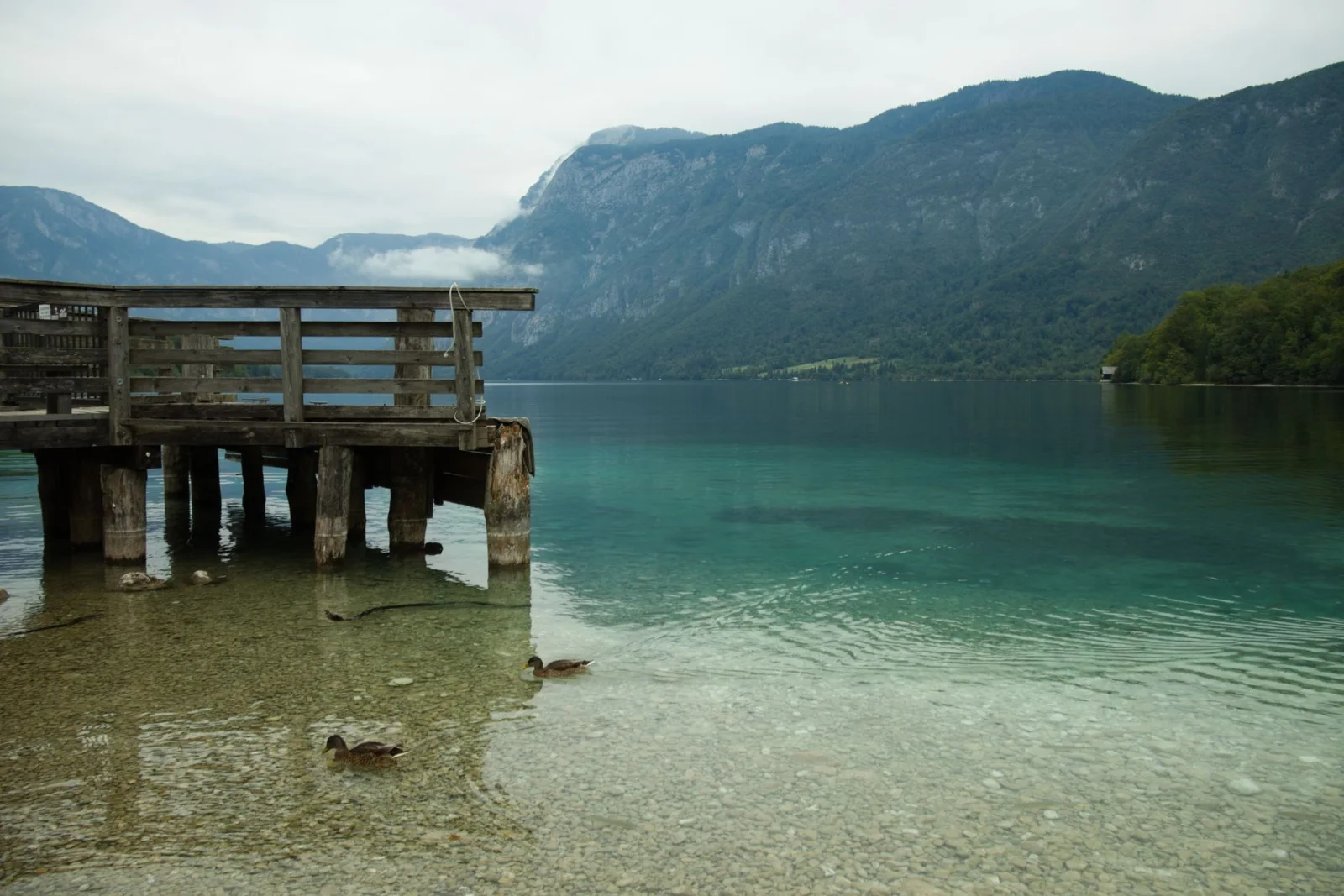
Bohinj rewards travellers who understand its geography before booking. Bohinjska Bistrica has the railway station, Ribčev Laz sits at the eastern end of the lake, and Ukanc lies farther west below Vogel. Buses and seasonal shuttles connect these points and selected trailheads, but no single address is ideal for every route.
Tourism Bohinj’s official guidance explains arrival by rail and bus as well as onward travel within the area. Getting to Bohinj by public transport ↗
Choose the Bed Around the Walks
For rail convenience and shops, Bohinjska Bistrica is practical. For lakeside walks, Vogel and western trailheads, Ribčev Laz or Ukanc may save time. The right choice depends on whether the holiday centres on high routes, easier lake days or a mixture.
Bohinj is quieter than the large Swiss hubs and often better value, but the network is less forgiving. Seasonal shuttles and regular buses make a car-free stay possible; they do not make every remote starting point available at every hour.
08 · Tatra Mountains · PolandZakopane
A Busy Town With Several Mountain Doorways
Zakopane is reached by rail and long-distance coach, then functions as a staging point for several separate Tatra entrances. Local buses and minibuses serve places such as Kuźnice, Kiry and Palenica Białczańska, allowing routes into different valleys without a car.
Rail schedules should be checked directly before travel, particularly when engineering work or seasonal changes affect journey times. Official Polish rail timetable ↗
The Transport Is Easy; the Crowd Is the Real Variable
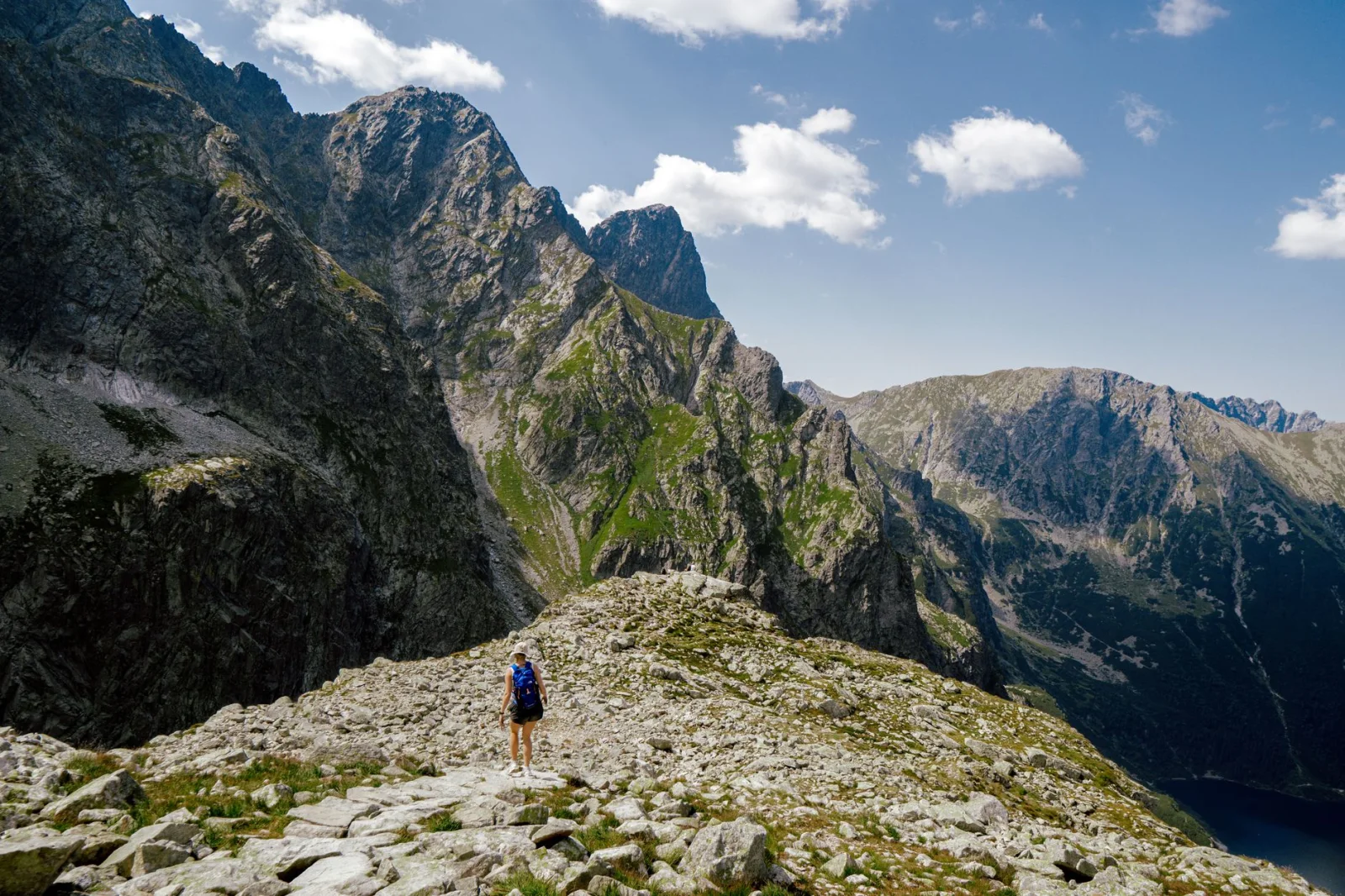
The Tatras are compact, dramatic and extremely popular. Morskie Oko and the best-known high routes attract large numbers in summer, while some trails have seasonal closures or park rules that affect early and late movement. The Tatra National Park publishes current access information and conditions. Tatra National Park visitor guidance ↗
Zakopane works best when famous objectives are balanced with quieter valleys and early starts. It is more affordable than the major Swiss resorts and offers a large choice of accommodation, but the town’s traffic and tourist intensity are part of the experience rather than a detail around it.
09 · Transylvania · RomaniaBrașov
A Historic City With a Mountain Bus at Its Edge
Brașov is a different proposition from an Alpine resort. The railway brings travellers to a substantial city, while urban transport leads toward the old centre and Poiana Brașov. From there, the Postăvarul area offers forest routes, ridge walks and lift-assisted options above the city.
RATBV’s line 20 connects Livada Poștei with Poiana Brașov and publishes its current timetable online. Brașov line 20 timetable ↗
More Independent Planning, More Life Beyond the Trail
The local system is less unified than those in Switzerland or Austria. Reaching other Carpathian areas may require separate trains, metropolitan buses or careful connections, and English-language information is not always presented in one place.
That inconvenience comes with a broader travel experience. Brașov offers restaurants, history and useful bad-weather days at prices usually below the western Alps. It suits travellers comfortable assembling their own route plan rather than buying a single mountain pass.
10 · Cairngorms · ScotlandAviemore
The Railway Opens Into Forest and Open Plateau
Aviemore station places walkers on the western side of Cairngorms National Park, with shops, accommodation and lower-level routes close to town. Trains connect the village along the Highland Main Line, while local buses extend access toward lochs, forest settlements and Cairngorm Mountain.
The official visitor guide notes the rail stations across the western park and the regular Aviemore Adventurer bus between the station area and Cairngorm Mountain. Cairngorms travel and local transport ↗
The Landscape Is Open; the Network Is Not
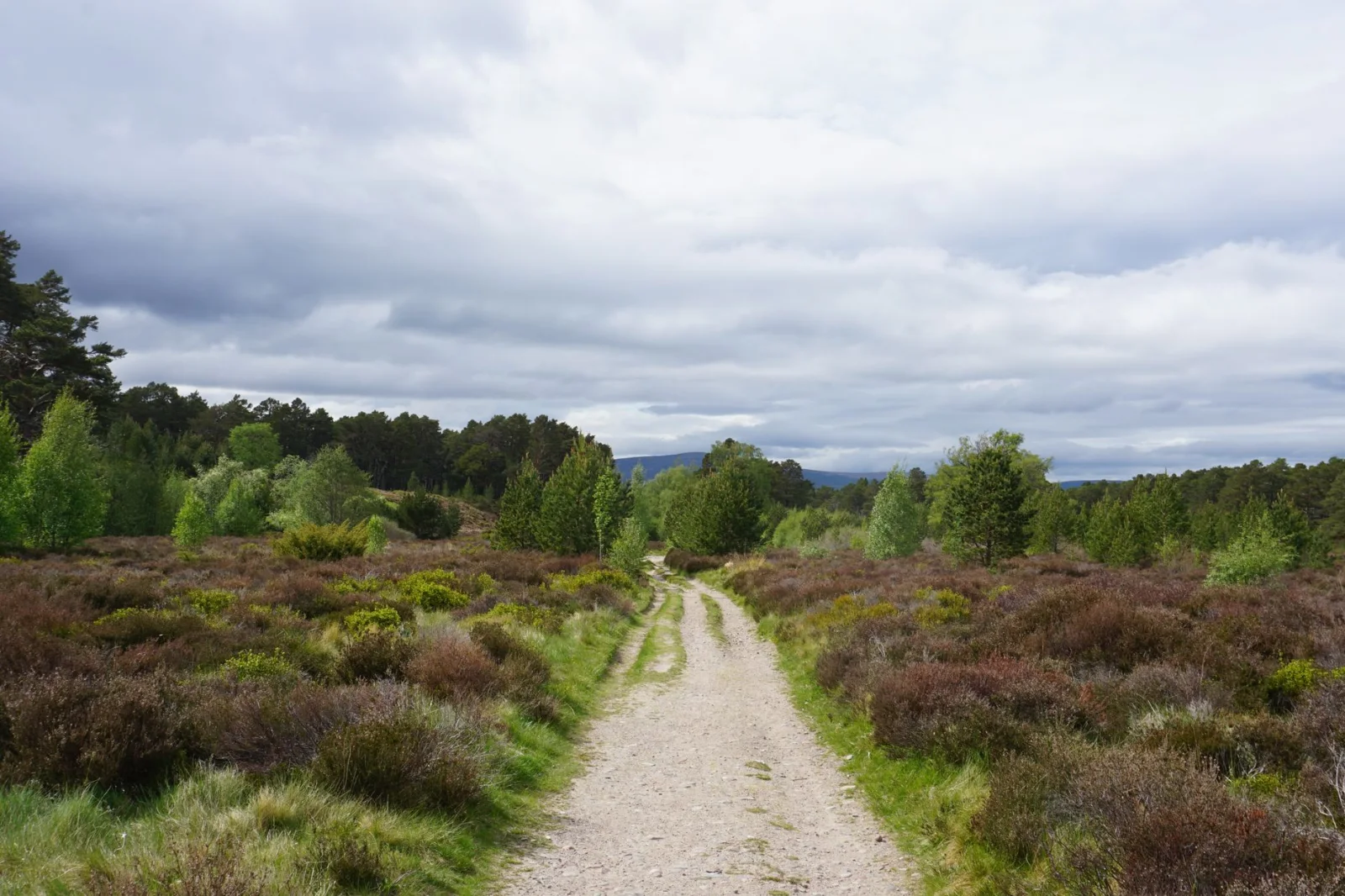
Aviemore lacks the dense web of lifts and railways found in the Alps. Beyond the main transport corridor, some linear walks require careful coordination, and a missed bus can leave few alternatives. Weather is the larger consideration: strong wind, cloud and cold can make the plateau unsuitable even when the village feels mild.
The base is strongest for travellers who value pine forest, lochs and broad northern landscapes over cable-car convenience. Lower routes around Rothiemurchus and nearby lochs give the holiday depth when the high ground is not sensible.
How to Plan a Car-Free Hiking Holiday
Build the Day Backward From the Last Connection
The final bus, train or lift should shape the route before the first departure does. Note the last realistic service, add time for a slow descent, and identify a lower or shorter alternative. A theoretically possible connection is not a safe plan when one delayed section removes the only journey home.
Stay Near the Useful Stop, Not Merely the Famous View
A beautiful room can become inconvenient when every walking day begins with a long transfer to the station. On a car-free trip, ten minutes saved each morning matters more than it appears. Map the accommodation against the transport used most often, including early departures and evening returns.
Treat Lifts as Transport, Not Proof of Easy Terrain
A cable car shortens ascent; it does not reduce exposure, navigation difficulty or weather risk above the station. Check whether the planned route remains within your experience and whether walking down is realistic if the lift closes.
Frequently Asked Questions
Which base is easiest for a first car-free hiking trip?
Innsbruck and Garmisch-Partenkirchen are forgiving first choices because arrival is simple, town services are extensive and lower alternatives remain available. Interlaken is equally connected but requires more decisions about passes and daily destinations.
Which destination is best for the widest choice of routes?
Interlaken offers the broadest transport-assisted range across several valleys. Chamonix and Zermatt provide exceptional high-mountain access, while Innsbruck offers the best balance between mountain options and city infrastructure.
Which bases are usually better for a lower budget?
Kranjska Gora, Bohinj, Zakopane and Brașov generally offer more modest accommodation and food options than Zermatt, Chamonix or the Jungfrau region. Transport savings vary, so compare the exact journeys rather than relying only on room prices.
Can these trips work outside summer?
Some can, but the article’s hiking logic is mainly aimed at the snow-free season. Seasonal buses, cable cars and mountain railways may reduce service outside summer, while snow can remain on high routes well into the warmer months.
Do I need to book mountain transport in advance?
Often not for ordinary local services, but reservations may be useful or required for specific shuttles, popular cable cars or limited-capacity routes. Check the official operator shortly before travel rather than assuming one rule applies across Europe.
Final Thoughts
A car-free hiking holiday is easiest where public transport has been designed as part of mountain life rather than added as an afterthought. Zermatt makes the arrangement almost invisible; Interlaken turns it into a network; Kranjska Gora and Bohinj ask the walker to pay closer attention to the season.
The right base depends on what should happen after the boots come off. Innsbruck and Brașov offer real cities, Chamonix and Zermatt keep the high mountains close, while Aviemore replaces Alpine machinery with forest, open moor and weather that remains firmly in charge.
None of these places makes planning unnecessary. They offer something better: the possibility of shaping a week around paths and landscapes rather than around the location of a parked car.