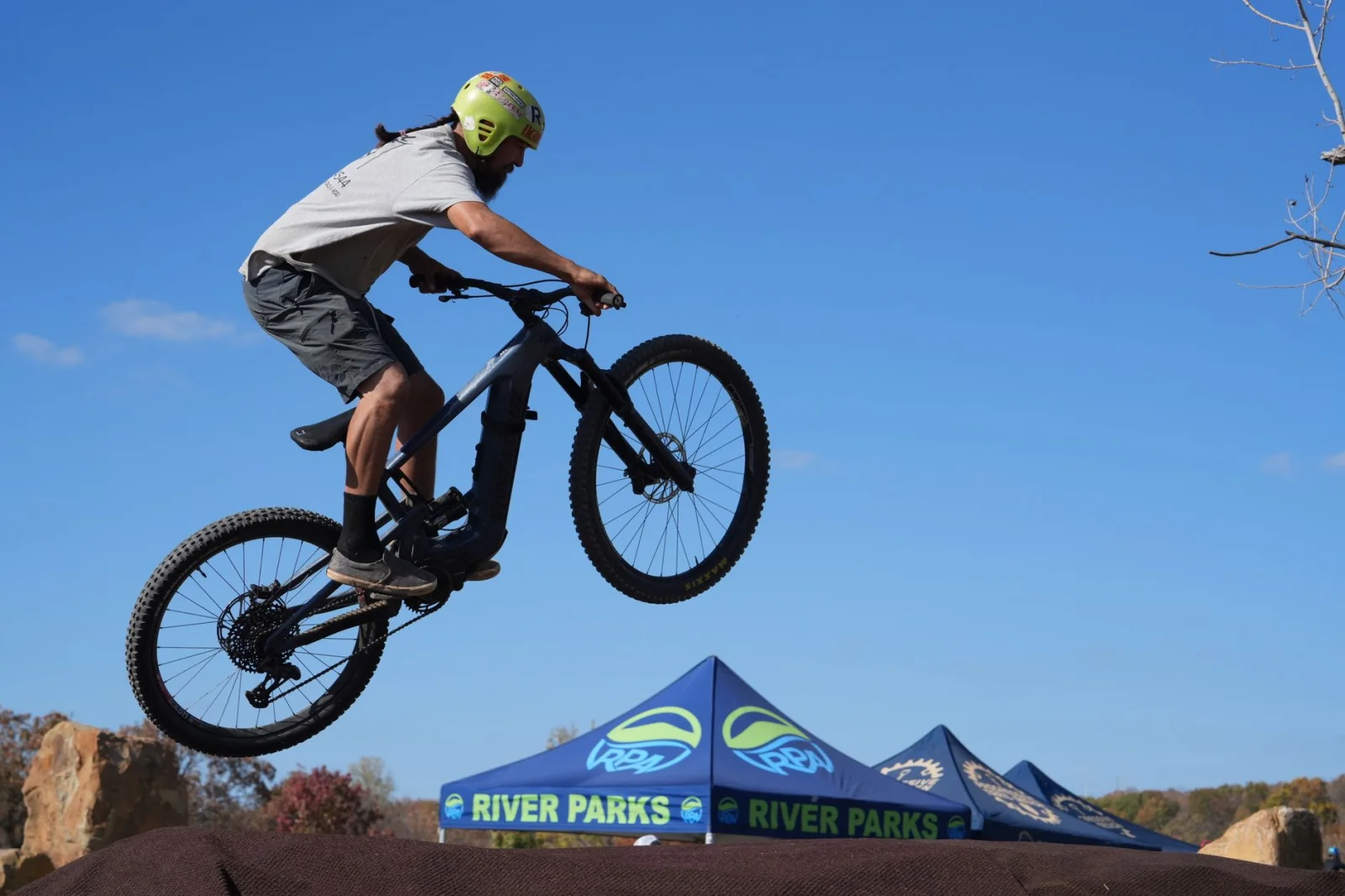
Mountain biking in Europe does not belong to one landscape or one style of riding. In Finale Ligure, narrow trails drop through dry forest toward the Mediterranean. In the French and Austrian Alps, lifts carry riders into vast networks of shaped lines, natural singletrack and World Cup terrain. On Madeira, routes fall from high plateaus into humid forest, while Slovenia offers smaller trail centres, quiet valleys and riding that feels more rooted in the landscape than in the machinery of a large resort.
That variety is also what makes choosing a destination difficult. A rider looking for smooth progression lines needs something very different from someone travelling with an enduro bike, a shuttle booking and an appetite for loose rock.
Trail colours do not provide a perfect solution. Europe has historically used numerous rating systems, and the same colour can describe different levels of technical difficulty, exposure and remoteness from one destination to another. IMBA Europe's International Trail Rating System was developed partly to make those differences easier to understand, but it has not replaced every local system.
The destinations below are therefore not ranked from first to last. Each is included because it does something particularly well.
"The best mountain-bike destination is not necessarily the one with the largest trail map. It is the one whose terrain, infrastructure and pace match the way you actually like to ride."
At a Glance
| Destination | Best for | Riding character | Good base |
|---|---|---|---|
| Finale Ligure, Italy | Natural enduro and shuttle riding | Rocky, technical and coastal | Finale Ligure |
| Saalbach–Hinterglemm–Leogang, Austria | A complete lift-served holiday | Flow trails, natural lines and bike-park laps | Saalbach, Hinterglemm or Leogang |
| Morzine and Les Gets, France | Large-scale downhill and park riding | Extensive lift network and varied gravity trails | Morzine or Les Gets |
| Lenzerheide, Switzerland | Progression and polished infrastructure | Bike park, skill areas and Alpine tours | Lenzerheide |
| Val di Fassa, Italy | Dolomite scenery and enduro-style descents | Lift-assisted trails below dramatic limestone peaks | Canazei |
| Madeira, Portugal | Shuttle riding and varied natural terrain | Forest, rock, roots and long descending lines | Funchal, Machico or Calheta |
| Pal Arinsal, Andorra | Compact bike-park riding | World Cup terrain, progression zones and Pyrenean descents | La Massana |
| Koroška, Slovenia | Quieter singletrack and trail travel | Forest trails, small centres and unusual local experiences | Jamnica or Mežica |
01 · Finale Ligure · ItalyFinale Ligure
Where Old Paths Meet the Sea
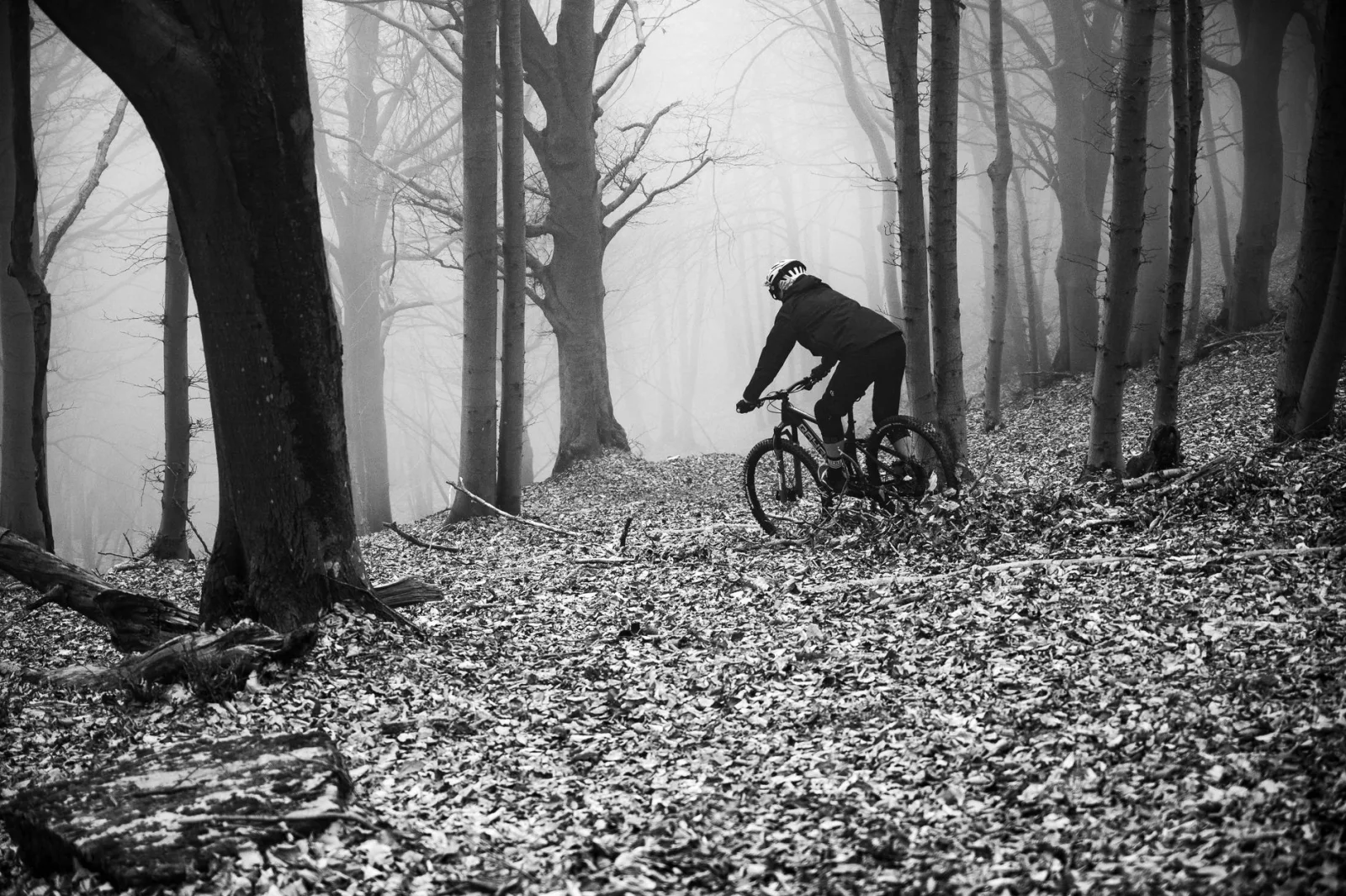
Finale Ligure has become one of Europe's defining enduro destinations without turning itself into a conventional Alpine bike park. The hills behind the Ligurian coast are crossed by old military roads, forest tracks and narrow trails descending from high ground toward limestone valleys and seaside towns. The landscape often feels dry, rough and angular. Loose stone, repeated rock steps and natural corners matter more here than perfectly shaped berms.
Many riding days begin with a shuttle rather than a gondola. Local services transport riders toward trail areas such as Base Nato, Din, Melogno and Forte del Melogno, from where several established descents return toward the lower valleys. Finale Ligure Freeride, one of the area's long-running operators, offers both individual uplifts and guided tours organised around different trail sectors.
What the Riding Demands
Beginners can ride in the region, especially with a guide, but Finale should not be mistaken for a smooth introductory bike park. Its appeal lies in the terrain feeling old, irregular and connected to the hills around it: loose rock, sustained natural descents, technical braking, changing trail surfaces and linking several trails into a full riding day.
02 · Saalbach-Hinterglemm-Leogang · AustriaSaalbach–Hinterglemm–Leogang
The Alpine All-Rounder
Some destinations are known for one famous trail or one celebrated downhill track. Saalbach, Hinterglemm and Leogang work differently: together they form a broad riding region where a week can include bike-park laps, long traverses, beginner sessions and natural Alpine trails. The official bike-region information describes more than 120 kilometres of lines and trails across seven mountains, connected by nine cable cars when the full network is operating.
Leogang is the park-focused end of the region, with downhill lines, jump features, a pump track and the Epic Bikepark's progression facilities. Its Riders Playground is specifically designed for learning bike-park basics, with beginner terrain, practice elements and space to develop cornering, pumping and jumping skills gradually. Saalbach and Hinterglemm broaden the experience: trails such as the Hacklberg have helped define the region's reputation, while the larger network allows riders to move between shaped lines and more natural terrain.
Choosing a Base
This is one of the safest choices for a group containing riders with different priorities. A beginner can spend time in a skills area or on easier lines, while an experienced rider can move toward steeper park tracks, roots, jumps and longer days across the region. Stay in Leogang for direct access to the park atmosphere and concentrated lift-served riding. Choose Saalbach or Hinterglemm for a broader resort experience and easier access to longer trail days across multiple mountains.
03 · Morzine & Les Gets · FranceMorzine and Les Gets
A Mountain-Bike Region at Resort Scale
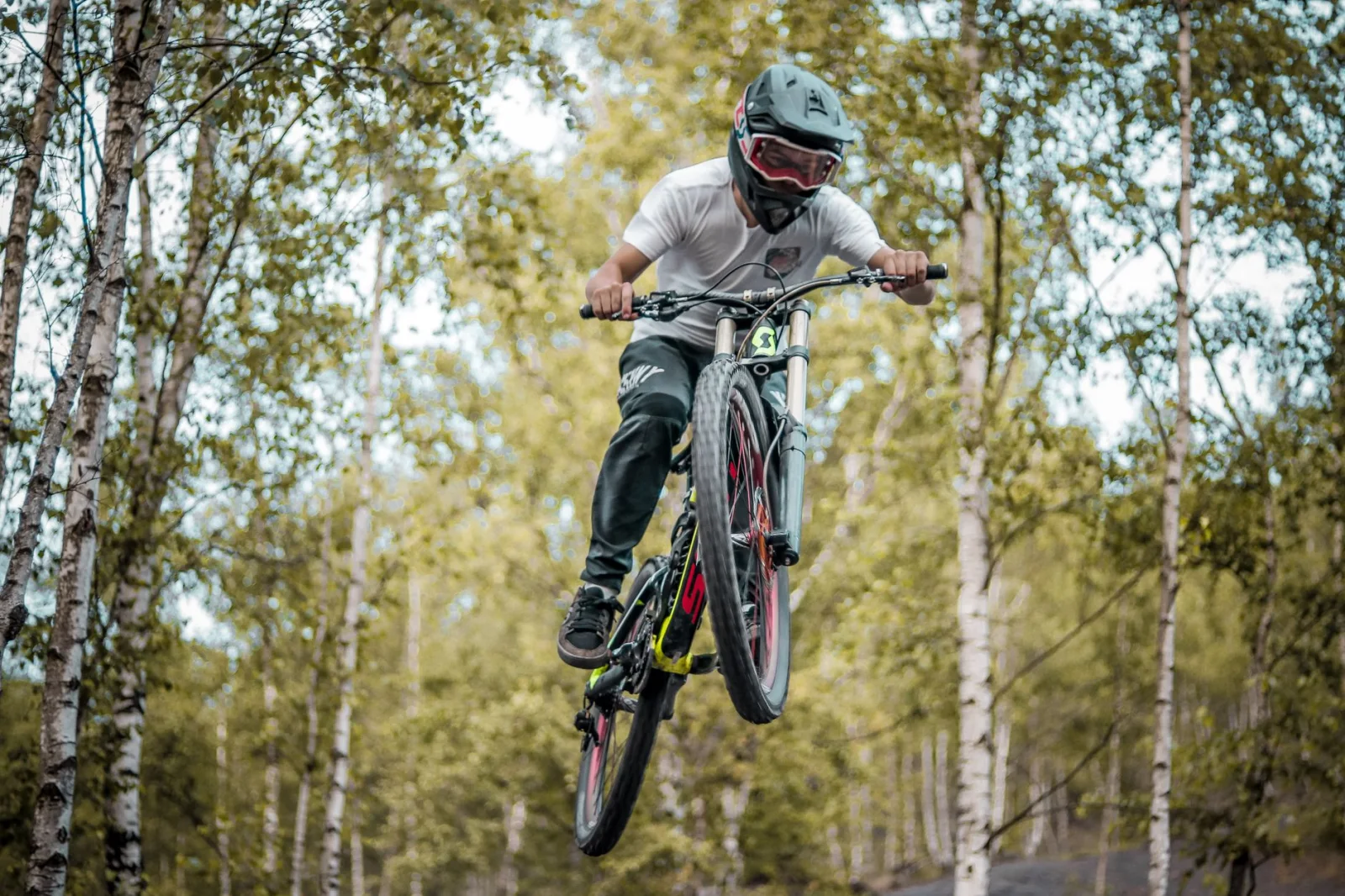
Morzine and Les Gets sit inside the Portes du Soleil, where French and Swiss resorts are connected by summer lifts and mountain-bike trails. The scale is immediately attractive: rather than riding one mountain repeatedly, visitors can move between several sectors and build days around different parks. Les Gets alone advertises 128 kilometres of marked trails, three summer lifts and direct access into the larger Portes du Soleil network, with an easy green trail providing an approachable first bike-park experience. Morzine offers direct access to the Pleney side, while Super Morzine leads toward Avoriaz, an area divided into four linked sectors with 18 maintained trails aimed at different ability levels.
Choosing a Base
The strength of the area is choice: riders can spend one day on downhill laps, another exploring linked parks and a third riding a longer route between resorts. Choose Morzine for a busy riding town, strong rental infrastructure and central access to several sectors. Choose Les Gets for a more concentrated bike-park base, a long history of mountain-bike development and clearer progression from easier to more demanding trails.
04 · Lenzerheide · SwitzerlandLenzerheide
A More Ordered Kind of Mountain Biking
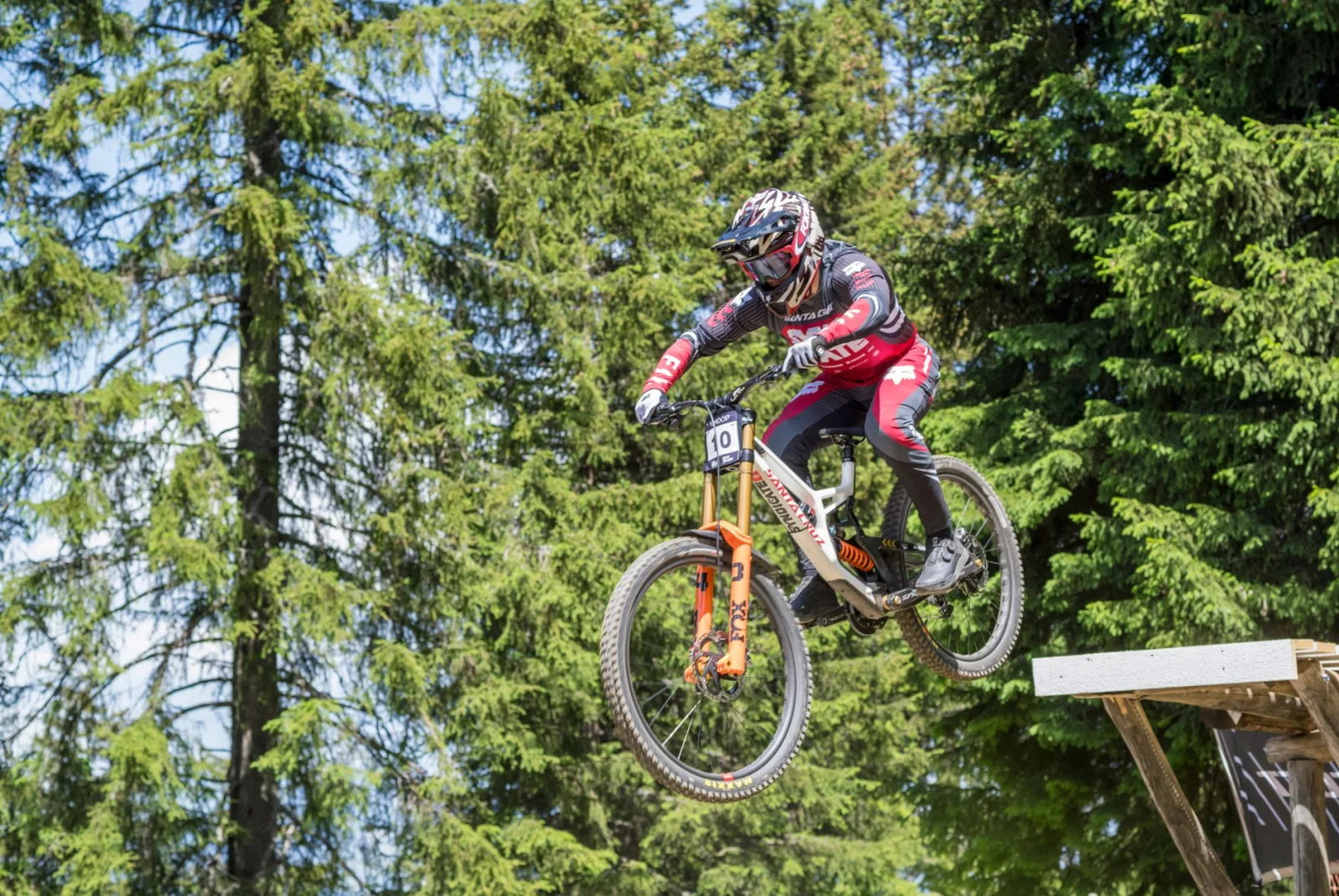
Lenzerheide feels different from the looser, more improvised trail culture of Finale or Madeira. The Swiss resort is carefully organised around marked trails, skill development, lift information and a clear bike-park structure. Its Bike Kingdom Park contains five principal park trails, ranging from the easier FLOWline through intermediate PRIMEline and SHOREline to the more demanding STYLEline and STRAIGHTline World Cup track. The wider region also uses several lifts and connects Lenzerheide with Arosa and Chur.
A skill centre and pump track near the Rothorn valley station make the destination particularly useful for families, younger riders and anyone working on technique before moving onto larger trails. Lenzerheide is not limited to repetitive park descents — the wider Bike Kingdom contains traverses, natural trails and longer outings across high Alpine terrain, with current lift and trail status integrated into the resort's information system and Bike Kingdom app.
Who It Suits
The area has a strong racing identity: Lenzerheide has hosted major downhill and cross-country competition since 2015, but ordinary visitors do not need World Cup ambitions to enjoy the region. The destination offers clear infrastructure, well-defined progression, good family facilities, access to both park trails and longer tours, and reliable information about lifts and open trails.
05 · Val di Fassa · ItalyVal di Fassa
Riding Beneath the Dolomites
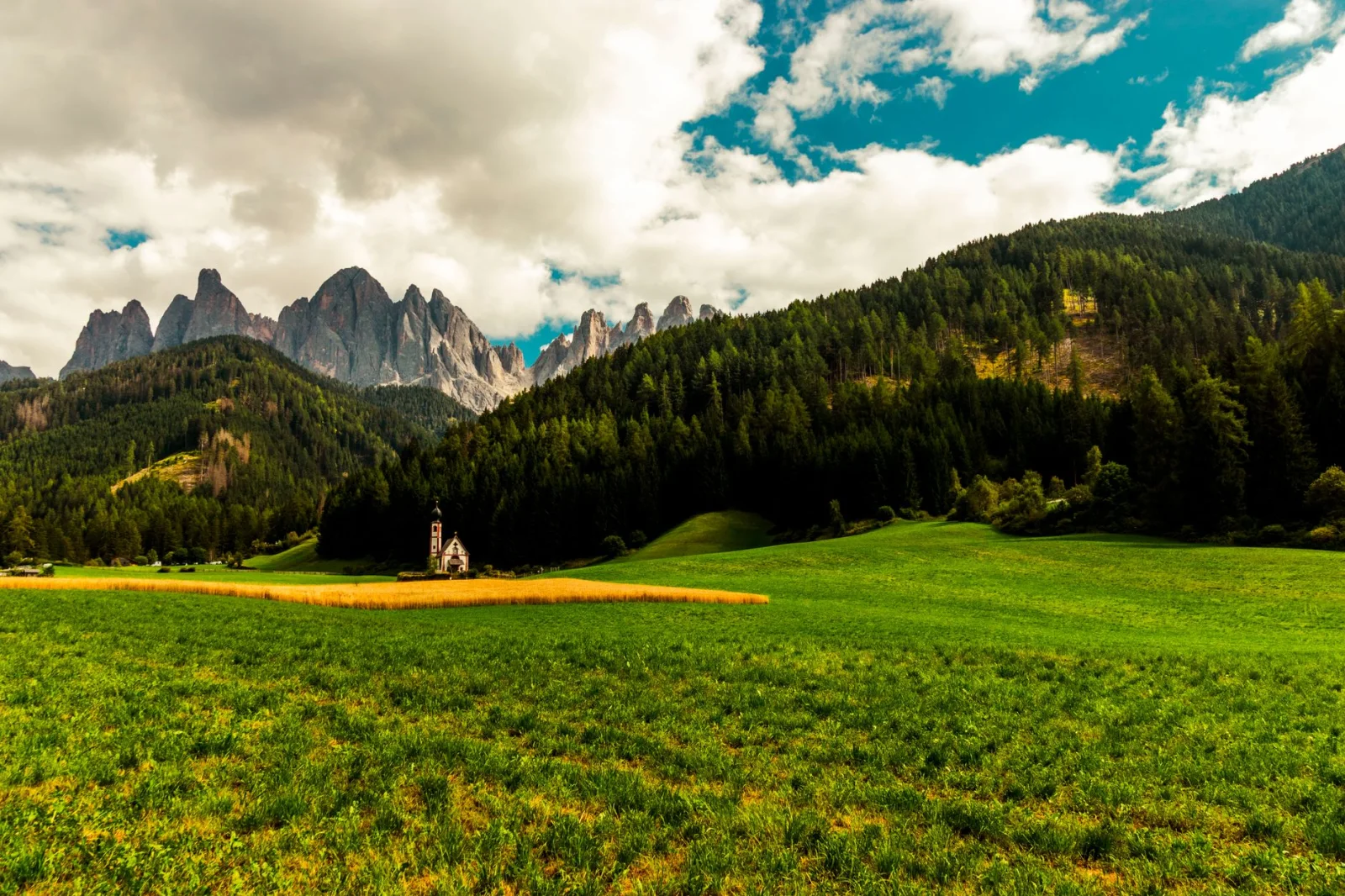
In Val di Fassa, the mountains remain the main event. Trails occupy the slopes between high passes, ski infrastructure and some of the Dolomites' most recognisable limestone formations. The Fassa Bike Park extends across the Col Rodella and Belvedere areas and can be reached by lifts from Campitello, Canazei and Alba. The trail network includes shaped park sections, faster lines and natural enduro-style terrain: the Titans trail, for example, connects the Ciampac area with Alba di Canazei and is described as a natural enduro descent rather than a conventional smooth park line.
Many bike parks could be placed in another mountain range without changing their essential character. Val di Fassa is harder to separate from its setting — the Sella, Pordoi and surrounding Dolomite groups shape both the visual experience and the structure of a riding day. Lifts can remove much of the climbing, but the terrain still feels Alpine: exposed to changing weather, spread across multiple sectors and influenced by altitude.
Choosing a Base
Canazei is the most practical central base, with access to lifts, rentals and the larger Val di Fassa tourism infrastructure. The valley works best for intermediate and advanced riders who want scenery and natural terrain alongside purpose-built features, and it is also a good choice for a mixed outdoor holiday, with hiking, road cycling and mountain biking all available from the same valley.
Val di Fassa and Fassa Bike Park ↗06 · Madeira · PortugalMadeira
From High Plateau to Forest and Ocean
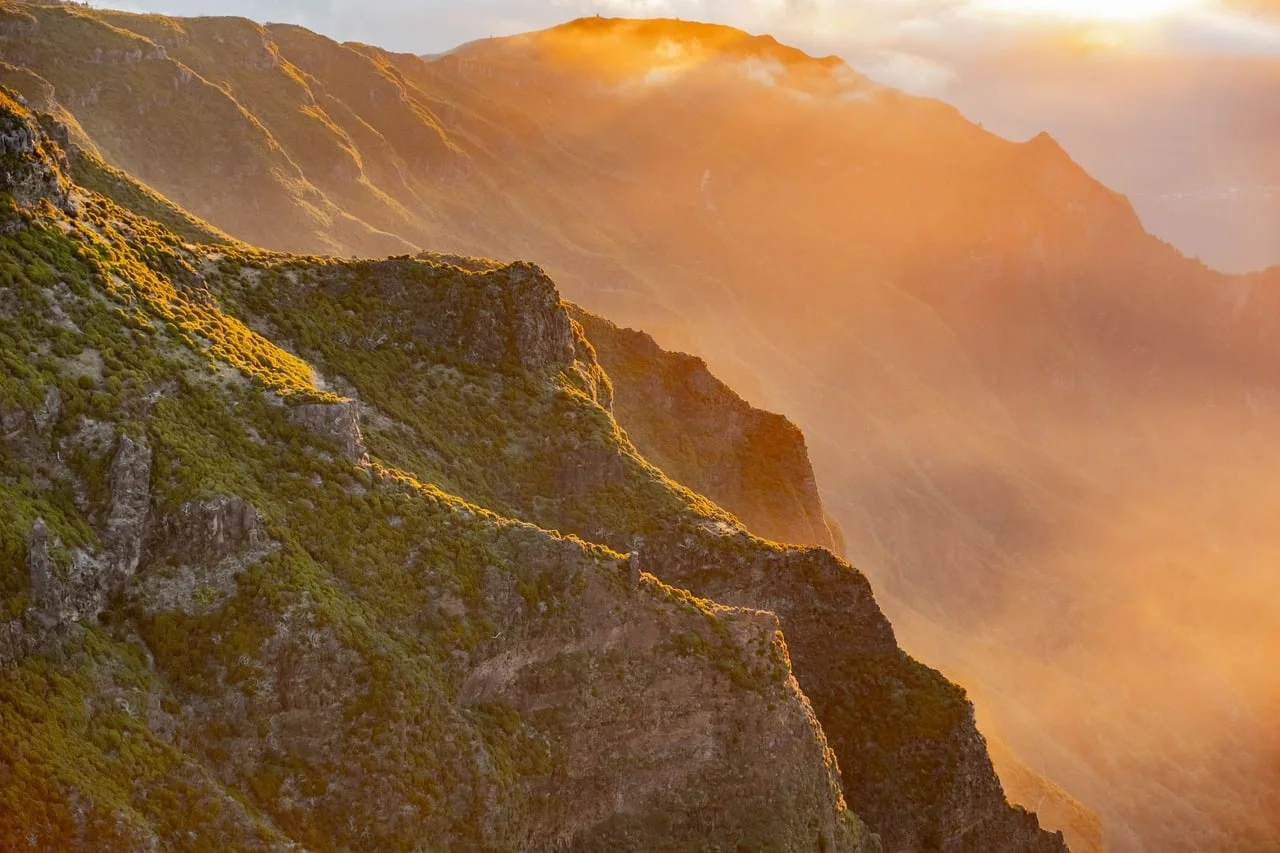
Madeira's mountain biking is shaped by vertical change. Routes can begin on exposed high ground, enter dense forest and finish hundreds of metres lower in a warmer, more settled landscape. The riding mixes stone, roots, dirt, old access tracks and purpose-used descending lines — it often feels less like a contained bike park and more like moving through several environments in one run. The island has a network of marked mountain-bike trails within protected forest areas, with official route information published in cooperation with Madeira's Institute of Forests and Nature Conservation.
Official trail descriptions show the range clearly. Pico das Pedras is presented as a moderate route suitable for riders beginning to develop their skills, while lines such as Pico da Pedreira–Lombo da Velha contain steeper, more technical terrain, roots, drops and advanced jumps. Funchal provides the widest choice of accommodation and services, Machico gives easier access to riding in the east, and Calheta and the western side are useful for routes around Paul da Serra and the island's western descents.
Why a Guide Helps Here
Madeira is not a destination where every useful trail begins beneath a single lift. Access, trail conditions and local rules matter, and weather can differ sharply between the plateau, forest and coast.
07 · Pal Arinsal · AndorraPal Arinsal
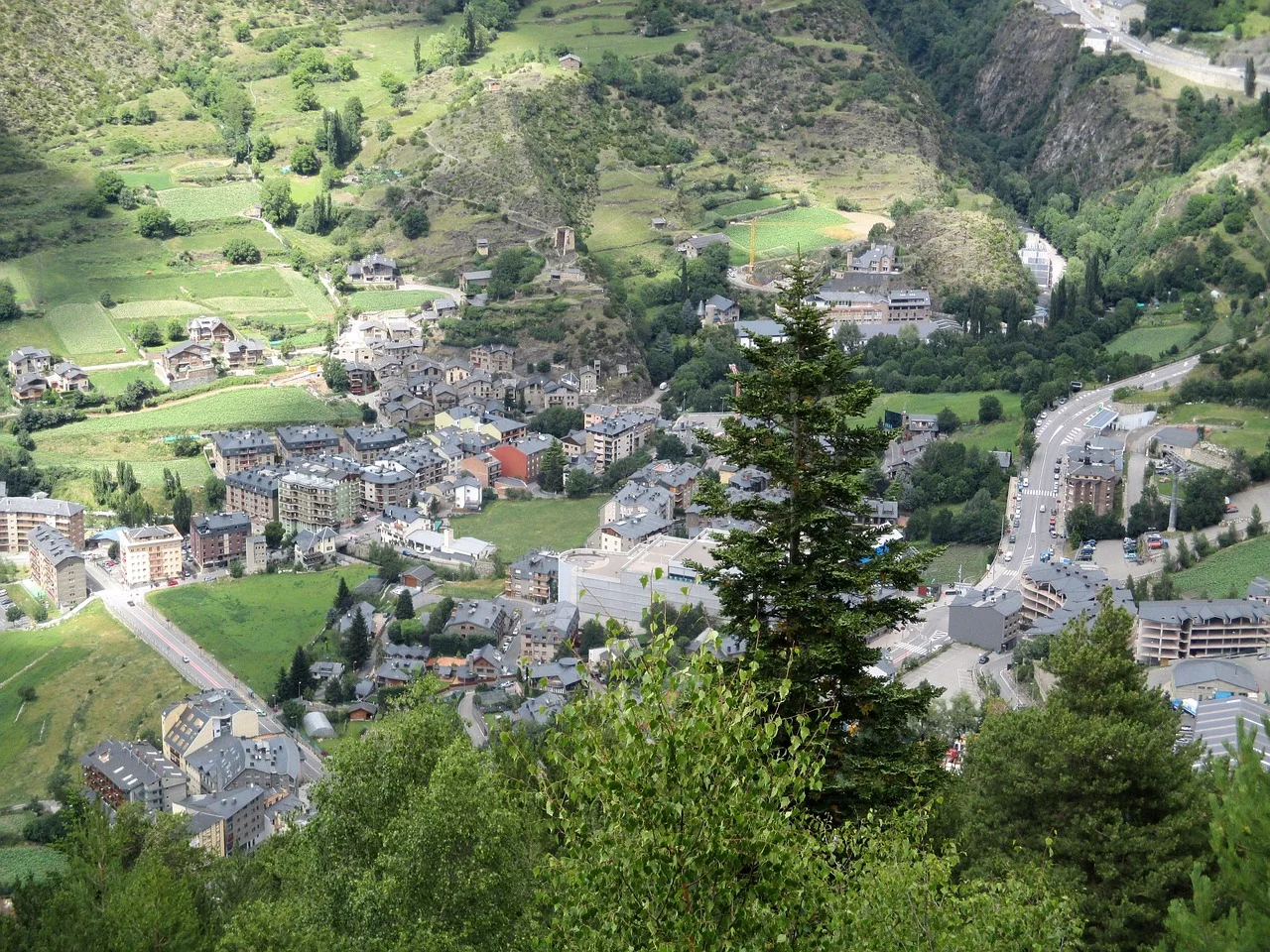
A Compact Pyrenean Bike-Park Base
Pal Arinsal offers a more concentrated experience than the sprawling networks of Portes du Soleil or Saalbach–Leogang. The park sits above La Massana, with lift access into dedicated mountain-bike routes and trails. The resort has developed terrain for experienced riders while also investing in instruction and progression through the Pal Arinsal Bike School and Bike World learning areas. Its international reputation has been reinforced by repeated World Cup racing, which does not mean every trail is designed for elite riders, but the park's identity is clearly tied to downhill, cross-country and technically serious riding.
Choosing a Base
Pal Arinsal is particularly useful for riders who want a recognisable bike-park structure, a compact base, technical trails without crossing a very large resort network, coaching or progression facilities, and access to Pyrenean terrain. La Massana is the logical place to stay, providing direct access toward the park and more everyday services than a higher mountain base.
08 · Koroška · SloveniaKoroška
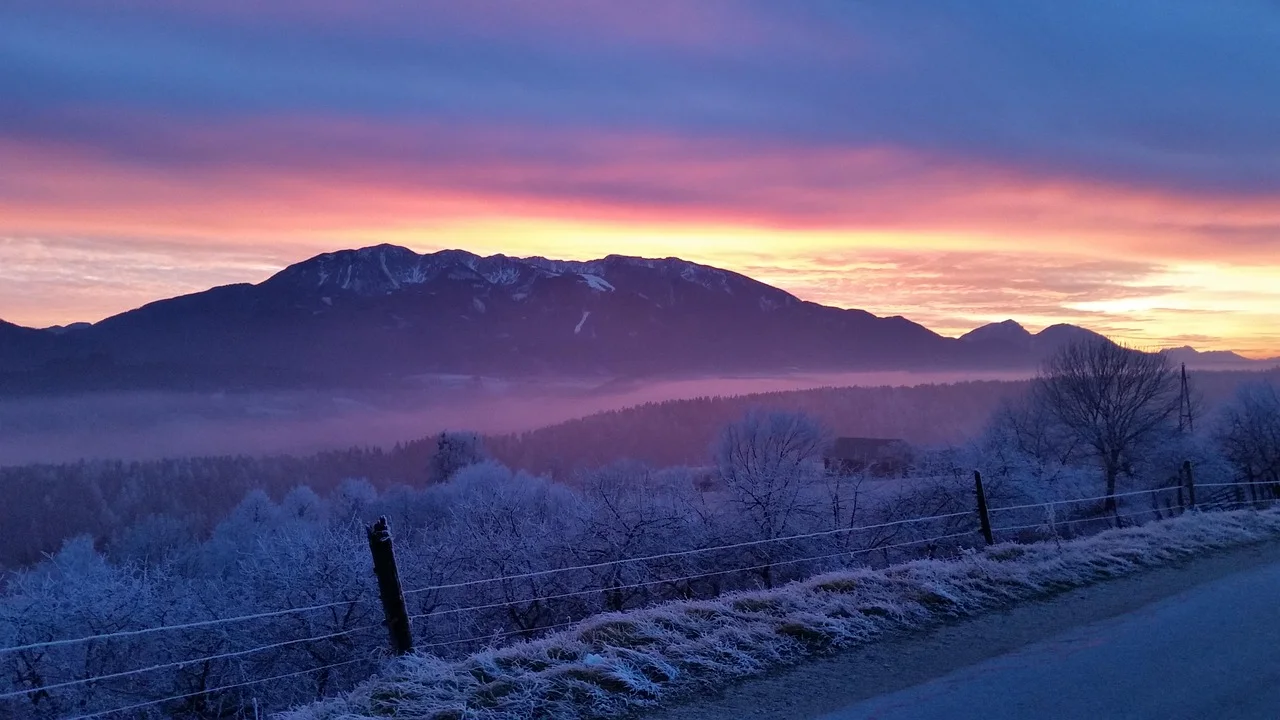
Smaller Scale, Stronger Sense of Place
Koroška offers an alternative to Europe's largest lift-served resorts. The region's mountain biking is spread through forest, pasture and the hills around Jamnica and Mount Peca. The Single Trail Park Jamnica combines flowing trails with more technical options, while the wider area includes quiet roads, forest routes and unusual experiences connected to the region's mining landscape. Slovenia's official tourism information highlights both Jamnica and the long flow trail on neighbouring Mount Peca. Koroška also sits within a broader Slovenian mountain-bike network that includes Kočevje, Pohorje, Krvavec, Kranjska Gora and several smaller parks, making it possible to build a longer road trip rather than committing to one large resort.
Why It Belongs Here
Koroška is not included because it has more lifts or trails than Morzine. It belongs because it offers a different kind of trip: smaller-scale accommodation, quieter surroundings and riding that is closely connected with local trail builders and the landscape. It suits trail and enduro riding, quieter bases, a multi-stop Slovenian MTB trip, and riders who value local character over resort scale.
Which Destination Should You Choose?
For Natural Enduro
Choose Finale Ligure for dry rock, long-established shuttle infrastructure and the possibility of ending the day by the Mediterranean. Choose Madeira for greater vertical contrast, forest terrain and guided shuttle riding across several parts of the island.
For a First Lift-Served MTB Holiday
Choose Saalbach–Hinterglemm–Leogang. Its combination of skills areas, easier lines, rentals and advanced terrain makes progression more straightforward. Lenzerheide is another strong option, especially for families and riders who prefer clearly organised infrastructure.
For Maximum Trail Choice
Choose Morzine and Les Gets. The wider Portes du Soleil network offers more than most riders can meaningfully explore in one visit. The trade-off is complexity: transfers, lift times and sector planning matter.
For Scenery
Choose Val di Fassa. Other destinations may have larger parks, but few place the riding beneath such distinctive mountain architecture.
For a Compact Technical Park
Choose Pal Arinsal. It offers a focused Pyrenean base without requiring riders to navigate a huge cross-border network.
For a Quieter Trip
Choose Koroška. It is the least resort-like destination on this list and one of the easiest to combine with a wider journey through Slovenia.
When to Go
The main Alpine riding season usually runs from late spring or early summer into autumn, but exact lift dates depend on snow, construction, races and weather.
Lower destinations such as Finale Ligure can work outside the central summer period, while Madeira provides an alternative climate. Neither should be treated as weatherproof: heavy rain can damage trails, make roots and rock significantly more difficult and lead to temporary closures.
Before travelling, check: current trail status, lift operation, shuttle availability, race closures, local access rules, recent rainfall, wind at higher elevations and the forecast at both the base and upper trailheads.
Planning a European MTB Trip
Choose the Destination Before the Bike
A downhill bike makes sense for repeated park laps but becomes restrictive on transfers and natural tours. A modern enduro bike is the most versatile option for Finale, Madeira, Morzine and lift-assisted Alpine destinations. A shorter-travel trail bike can work well in Lenzerheide, Koroška and on easier park lines, provided the rider chooses trails conservatively.
Do Not Compare Colours Blindly
A blue trail in one park may be smoother, steeper or more exposed than a blue trail elsewhere. Read the full trail description and look for information about mandatory jumps, drops, rock gardens, steepness, exposure, surface type, remoteness, braking bumps and escape points. Europe has used many overlapping trail-grading systems, which is precisely why initiatives such as ITRS consider technical difficulty, endurance, exposure and wilderness separately.
Book Guidance Where It Adds Value
A guide is particularly useful in Finale Ligure, Madeira, unfamiliar natural-trail networks, destinations with complex access rules and mixed-ability groups. In a clearly marked lift-served park, a skills lesson may be more valuable than a full guided day.
Check Insurance
Standard travel insurance may exclude downhill mountain biking, bike parks, racing-style terrain or rescue costs. Verify the activity wording, not only whether "cycling" is listed.
Frequently Asked Questions
What Is the Best MTB Destination in Europe for Beginners?
Saalbach–Leogang and Lenzerheide are among the strongest choices because they combine instruction, skills areas and easier purpose-built trails with room to progress. Les Gets also has beginner-oriented park terrain.
Which Destination Is Best for Experienced Enduro Riders?
Finale Ligure and Madeira stand out for natural descending and shuttle-based riding. Val di Fassa is a good alternative for riders wanting lift-assisted enduro terrain in a high Alpine setting.
Do I Need a Downhill Bike?
Not usually. A well-maintained enduro bike is more versatile for most destinations. A downhill bike becomes attractive when the trip is focused almost entirely on lift-served park laps.
Can I Ride Unofficial Trails?
Do not assume that a visible trail or downloadable GPX route is legal. Access rules vary by country, region and landowner. Use official trail maps and local guidance, particularly in protected areas.
Is Mountain-Bike Weather Different From Normal Town Weather?
Yes. Upper lift stations and high trailheads can be colder, windier and wetter than the valley. Check forecasts for multiple elevations rather than relying only on the nearest town.
How Many Days Should I Stay?
Three riding days are enough for a compact park such as Pal Arinsal. Large regions such as Portes du Soleil or Saalbach–Leogang justify five to seven days. Finale and Madeira also reward longer stays because weather, shuttle zones and trail variety can change the plan from one day to the next.
Final Thoughts
Europe's strongest mountain-bike destinations are not interchangeable.
Finale Ligure is rough, coastal and shaped by old paths. Saalbach and Leogang offer a complete lift-served system. Morzine and Les Gets provide almost overwhelming scale. Lenzerheide brings Swiss clarity to progression and park infrastructure. Val di Fassa places enduro trails beneath the Dolomites. Madeira compresses plateau, forest and ocean into a single riding day. Pal Arinsal offers a focused Pyrenean park, while Koroška proves that a memorable MTB trip does not need to revolve around a vast resort.
The right choice begins with an honest question: not "Which destination is the biggest?", but "What kind of riding day do I want to repeat for a week?"